
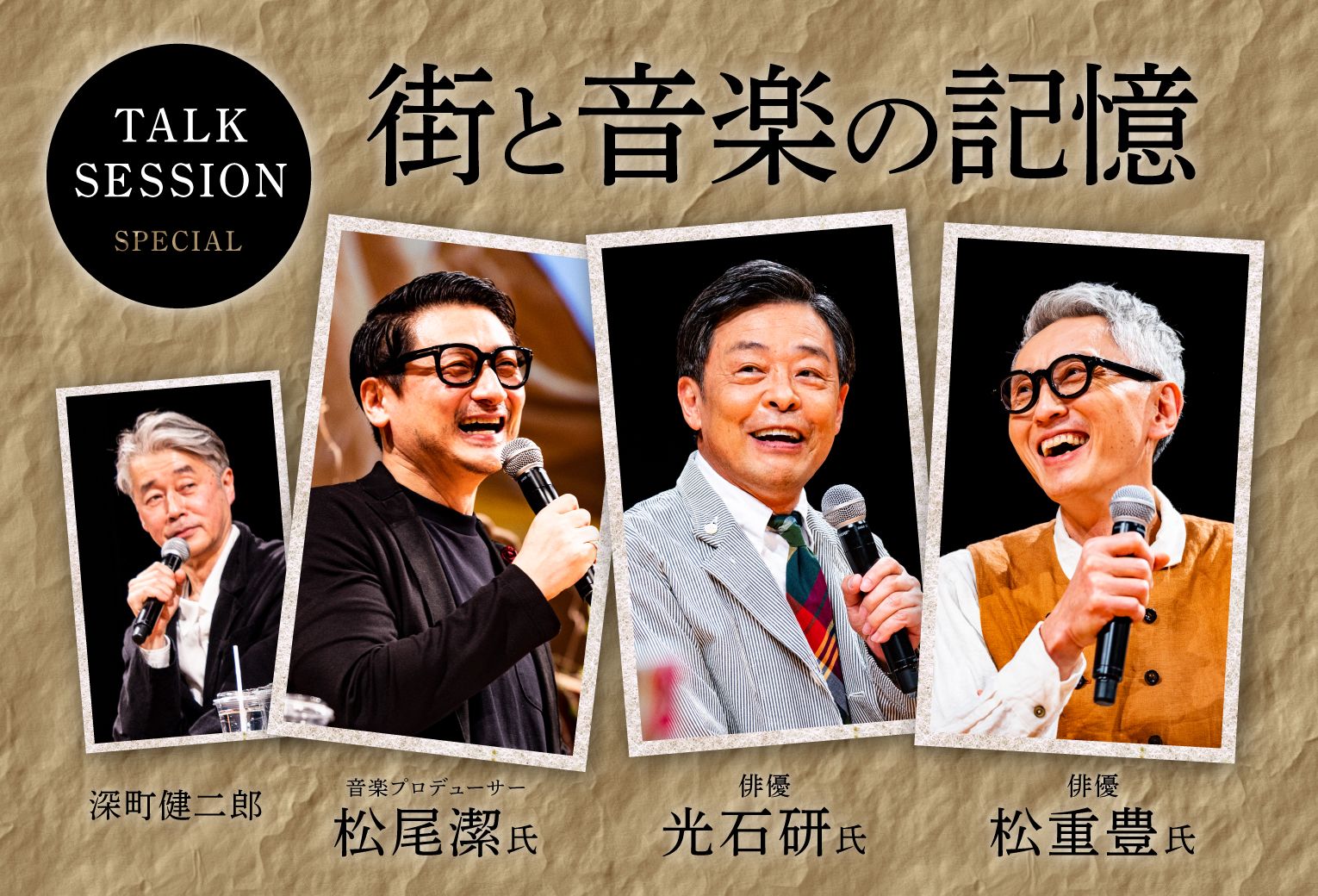
TALK SESSION 「街と音楽の記憶」ゲスト:松尾潔氏(音楽プロデューサー)光石研氏(俳優)松重豊氏(俳優)
深町氏
どうも皆さんこんにちは。さあ今日はFUKUOKA MUSIC SUMMITへようこそ。
深町健二郎と申します。どうぞよろしくお願いいたします。
こんなにたくさん来てくださってるんですね。ほんとありがたいですね。
今素敵なオープニング・パフォーマンスを披露してくれたのは、福岡音楽都市協議会のメンバーを中心とした、ロック、ゴスペルそして筑前琵琶という伝統楽器が融合した、博多で言うと〈がめ煮〉のように混ぜ合わせたら、どげんなるっちゃろうかと、新しい音楽が生まれるんじゃないかと、そんな新しい実験的なパフォーマンス・ステージでした。 今一度、皆さん盛大な拍手をお願いします。
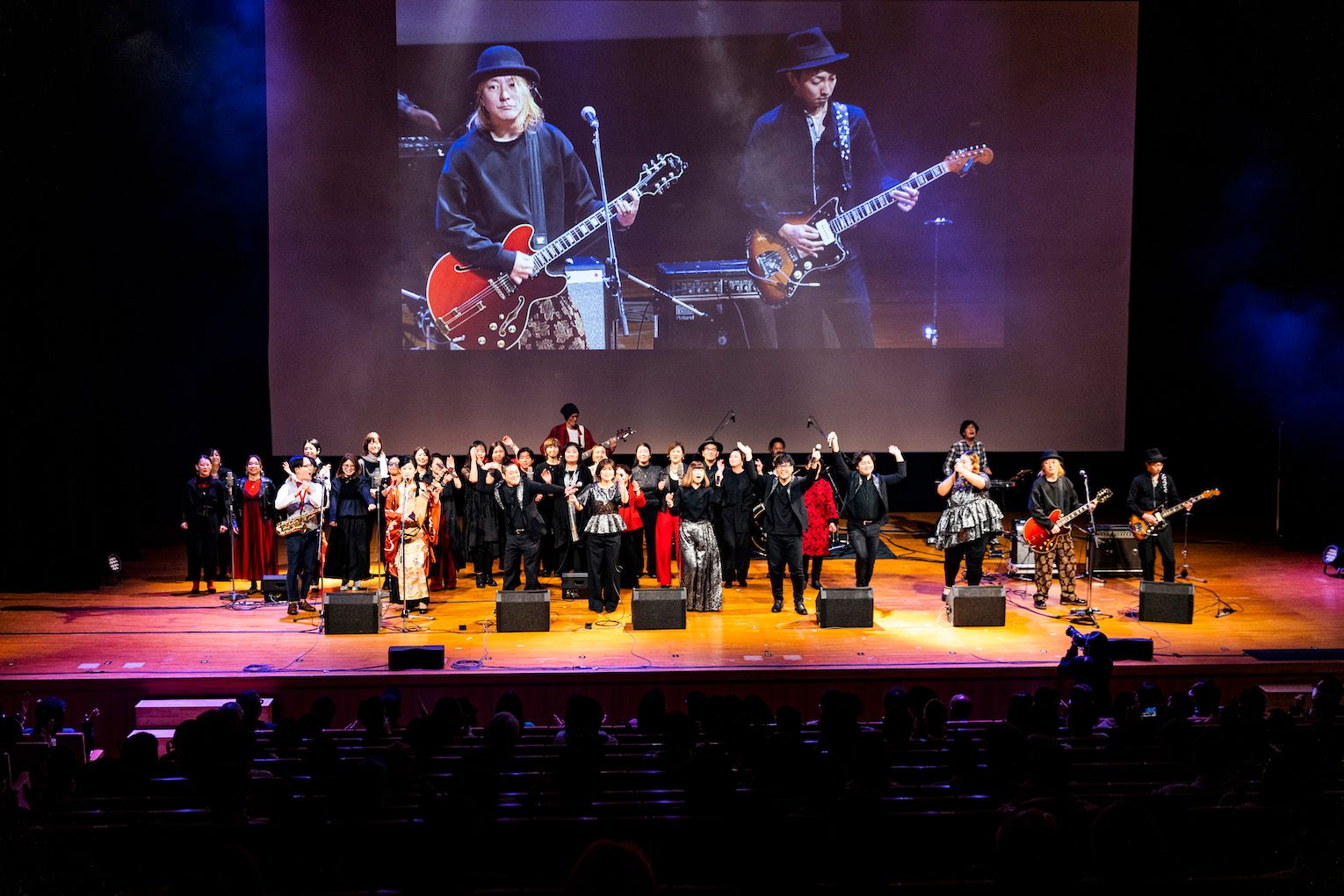
ぶっつけ本番に近いパフォーマンスステージで、ピシャリと決めてくれて嬉しい限りですが、曲は「ビート・ゴーズ・オン」と言いまして、ちょうどこの数年間、我々コロナ禍で非常に厳しい時を過ごしてきましたけど、その最初にコロナ禍に突入した時に、福岡のライブハウスなど、音楽の現場やミュージシャンたちも非常に困窮するようなことになりまして、でもやっぱりここで音楽を止めたらいかんと、福岡のビートは止まらんばい!ということで、今日出演してくれた松隈ケンタ君という音楽プロデューサー、彼はBiSHとか、いろんなアーティストのプロデュースも手掛けて、自らのバンドもやっていたり、東京で活動していたんですが、福岡を拠点に移して活動している松隈ケンタ君と、僭越ながら私と一緒に曲を作らせていただいて、チャリティーソングを今日改めて再演したということになります。
ということで、まずはその福岡音楽都市協議会は一体何なのかというところを私の方から説明させていただきたいと思います。皆さん、この福岡の文化って言われたら、何を思いつきますか。
まあいろいろとあると思うんですよね。ひとつはやはり、のぼせもんの街ですから、〈お祭り〉があると思います。どんたく、山笠。今年は多分全開で再開するんじゃないかなと思いますけど、そういうお祭りに対して全国的にたくさんのお客さんが訪れてくれるような、博多・福岡を代表する文化のひとつが〈お祭り〉ということが言えると思います。そしてもうひとつは、やっぱり〈食べ物〉ですよね。おいしい食べ物。屋台もあれば、いろんなおいしいものが安く食べられるというね、そういう福岡ならではの、これを目指して、今だったらインバウンドだったり、国内からもたくさんの観光客が、これを目指してわざわざ来るぐらい食べ物もおいしい街ということですよね。
それともうひとつ他の都市とは、明らかに違うところがありまして、それが私は〈音楽〉じゃないかなと思ってるんですね。この〈音楽〉、どうでしょう。他の都市に比べても、やっぱり突出してる要素があると思うんですね。
遡れば今から半世紀前、今も現存していますが、天神にあるライブ喫茶照和。ここからチューリップや甲斐バンド、海援隊。そして、井上陽水さん、ちょっと遅れて長渕剛さんや、 チャゲ&飛鳥が続々メジャーデビューをしまして、全国的にも大ブレイクして、その時には〈福岡は日本のリバプール〉と言われるほど音楽都市ぶりを最初に世に知らしめることができたんですね。これは決して偶然でもなくて、それ以降も80年代に入ったら今度はちょっとパンクで骨っぽいビートバンド、ロッカーズ、ルースターズ、モッズそしてシーナ&ザ・ロケッツというロックバンドが現れて、日本のロックシーンに新しい波を起こしたという歴史もあります。 そして、それ以降も現在に続くまで途絶えたことがないんですね。本当に次々と音楽人、それからもちろん芸能人も輩出し続けている、そんな街がこの福岡じゃないかなと思うんですね。
そして、この音楽というのは不思議なもので、ちょっと特別な力があるんですね。
価値観とか世代とか人種とか言葉の壁も超えていくと、 そして音楽そのものに多様性がありますから。大体皆さんの中にいろんな好きな音楽ジャンルがそれぞれきっとあると思うんですね。 そういう音楽の力というのが確実にあるので、これだけ福岡は音楽人を輩出してますし、その力をいろんな場面で活用できないかと。 例えば、まちづくりであったり、観光であったり。教育、健康など、もしかしたら音楽の力が活用できるんじゃないかと。 そのような想いから、実はこの福岡音楽都市協議会というものが、ジャンルの壁や、業界の壁も超えて、コンパクトシティですから、先ほどの〈がめ煮〉じゃないですけど、そういうものを混ぜ合わせていけば、もっともっとこの福岡を国内外に魅力的な音楽都市としても、アピールしていけるんじゃないかと、そういう想いで立ち上げた組織なんです。今日はこの後、福岡の過去・現在・未来そういったものを皆さんと一緒に体感していけるようなステージをこれから展開していきたいと思ってます。
さあ、それではいよいよ今日のためにスペシャルなゲストをお迎えして、トークセッションから始めたいと思います。もう里帰りですよ、皆さん。
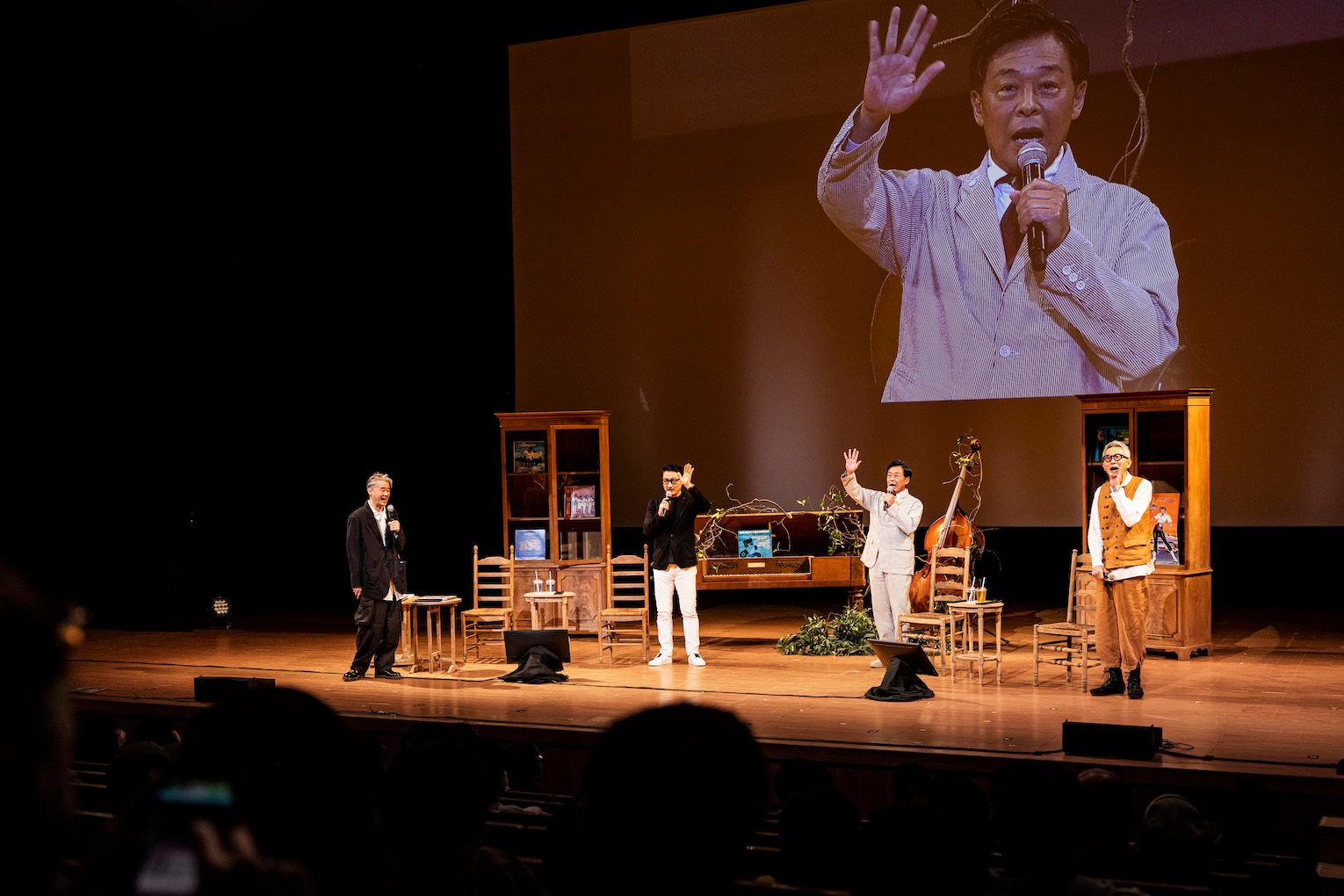
盛大な拍手でお迎えいただきたいと思います。それでは三名一緒に呼び込みたいと思いますので、皆さん盛大なる拍手でお迎えください。松尾潔さん、光石研さん、そして松重豊さんです。どうぞ、お願いします。
福岡出身のお三方です。一言ずつご挨拶いただいてよろしいでしょうか。では松尾さんから。
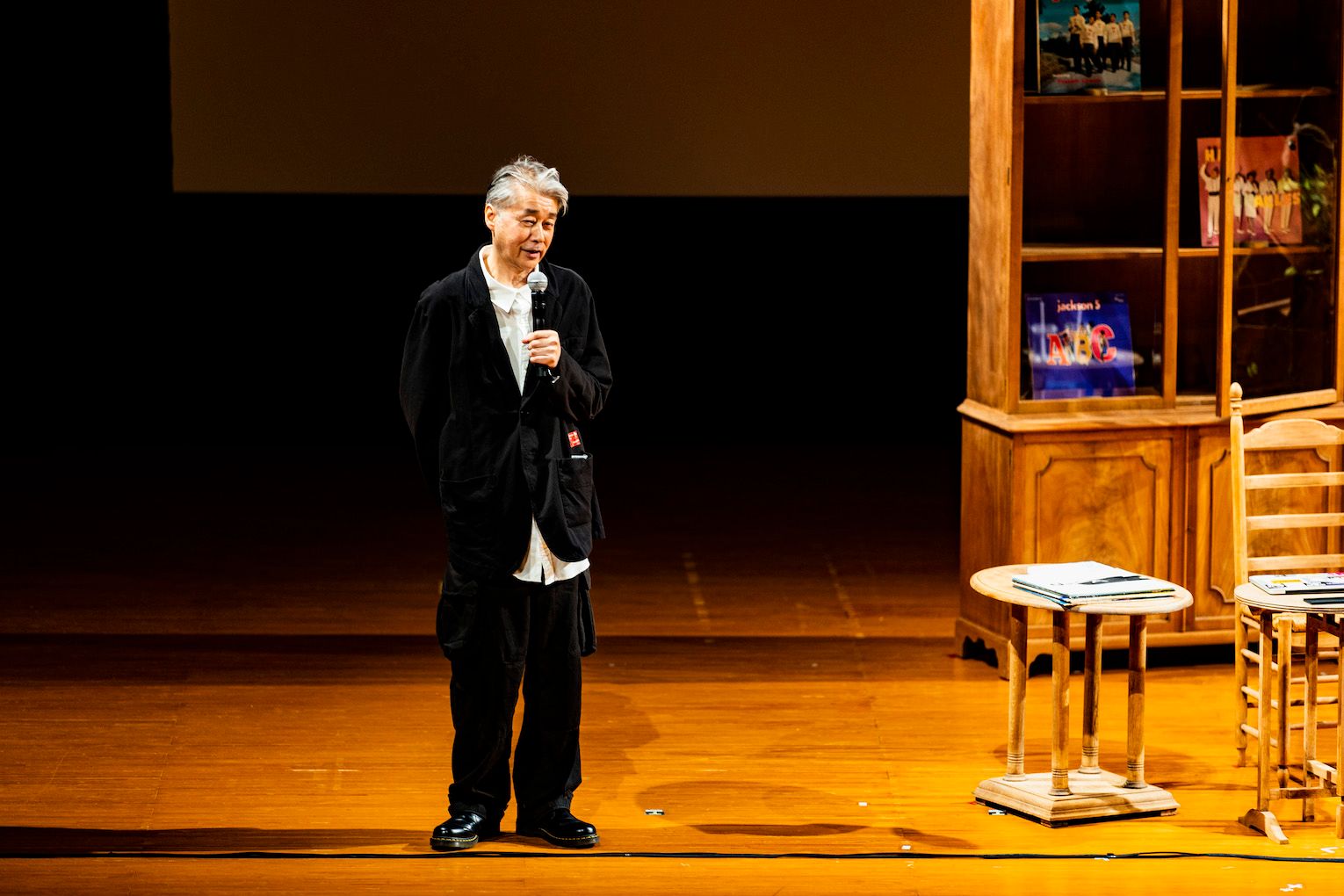
松尾氏 はい、戻ってまいりました。福岡市早良区、昔の西区エリア出身です。子供の頃は藤崎とか西新とか、あの辺り室見川の辺りとか、うろうろしておりました。 松尾潔でございます。今日はよろしくお願いいたします。(拍手)
深町氏 そして、光石研さん。
光石氏 光石研です。僕は北九州の八幡というとこで生まれ、黒崎というとこで育ちまして、遠賀川の袂に育ちました。リバーサイドボーイズの光石です。よろしくお願いします。(拍手)
深町氏 さあ、そして松重豊さんです。
松重氏 もう帰ってくるたんびに、なんかいろんなもんが無くなってしもうてから、先週帰ったら福ビルの無いもんやけん。もうどこにおるかわからんもんね。もうありゃ天神やなかばいと思うて(笑)、ええ。今日はよろしくお願いします。(拍手)
深町氏
はい、よろしくお願いします。じゃあ、皆さんお座りいただきましょう。
先ほどから打ち合わせしている中から、もうバリバリ博多弁で、ちょっとね、いい感じで喋れてるので、この後も引き続き方言丸出しで行きたいなと思います。
というのもですね、鮎川さんは東京に40年以上住んでるのに、全く博多弁が抜けなかったというかですね、久留米、博多、若松と混ざっていらっしゃいますけども。我々にとっては本当にありがたい先輩でした。
本題に入らせていただく前に、先ずは皆さんの紹介を私の方からも少しさせていただきたいと思います。
松尾潔さんは、レコード大賞受賞作品をはじめ、数々のヒット曲を手掛けられている音楽プロデューサーです。そしてそれだけではなくて日本のJ-POPにR&Bを取り入れた第一人者でもありますし、小説家としても最近はご活躍という松尾潔さんです。(拍手)
松尾氏 恐縮しますね、そんなこと言われると。どんどんハードルが上がってます。さっき会議室でこのメンバーで打ち合わせしてる時……あれ打ち合わせって言うんですか(笑)、もう話が本題にまったくたどり着かないままここに来ちゃったんで。松重さんがいま本当に福ビルの話をここでされると思わなかったんですけど、今日は街の話でもありますよね。
深町氏
そうです。《街と音楽の記憶》というテーマなんで、よろしくお願いします。
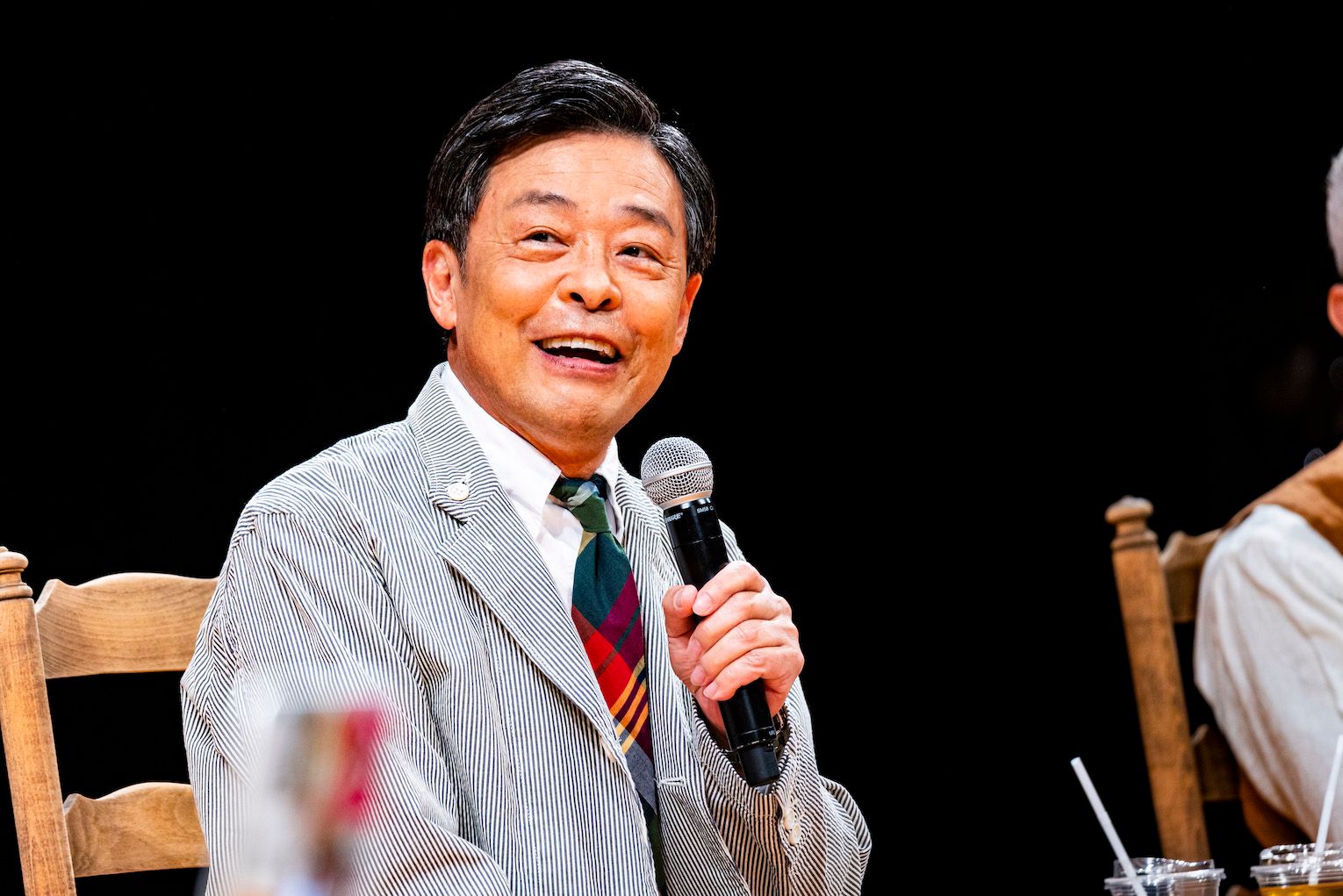
それから、光石研さんは北九州ご出身という話がありましたけども、実はデビュー作が『博多っ子純情』ということで鮮烈にデビューされまして、以降もう名脇役、バイプレイヤーとして、たまたま私が見る映画とかドラマにほぼほぼ出ていらっしゃったり、また趣味人としても古着とか家具とか、ソウル・ミュージックなどヴィンテージカルチャーにも大変造詣が深い方でもあります。間違いないですよね。
光石氏 間違いないです。おっしゃる通りでございます(笑)。
深町氏
ということで、光石研さんでございます。よろしくお願いします。
そして松重豊さんは、もう大活躍でございます。福岡市ご出身で『孤独のグルメ』をはじめ、数多くの出演作はもちろん、現在絶賛放映中NHKの大河ドラマ『どうする家康』では、家康の家臣、石川数正役でもご活躍ですね。さらにFMヨコハマの方で『深夜の音楽食堂』というラジオ番組をされていらっしゃいまして、 本当にびっくりするほど現行のエッジな洋楽から邦楽まで、早耳リスナーとしても音楽通とお見受けしてます。松重豊さんでございます。どうぞよろしくお願いします。
ということで三者に共通するのは、やはり〈福岡と音楽〉ということなんですね。
それでちょっと私フライングしてしまいましたけど、最近の福岡の残念で悲しいトピックといえば、鮎川誠さんが1月29日にお亡くなりになられたことですね。本当に私たちも、随分お世話になりました。私個人では関わっているサンセットライブにもお越しいただきましたし、熊本で地震があった時には大名小学校の跡地の体育館でチャリティーライブを行ったんですね。その時も、レスポールギターを一本抱えて駆けつけてくださったり、先ほどの「ビート・ゴーズ・オン」というチャリティーソングも、 ふたつ返事で協力してくださったりとか、本当に常に福岡に思いを寄せてくださっている方でした。だけん、もう未だにまだ喪失感でしかなくて、残念でならないんですけども、実はこの御三方も鮎川さんには少なからぬ関係性がありまして、 松重豊さんは、NHKドラマ『ユー・メイ・ドリーム』で、シーナさんのお父さん役を演じられていまして、それから先ほどのラジオ番組にも、鮎川さんをゲストでお迎えなさったりですね。いろいろとやっぱり思い出がありますよね。
松重氏 僕が福岡にいる頃からサンハウスやシーナ&ロケッツは、本当に憧れの人で、僕は音楽やるために上京したわけじゃないんですけど、やっぱり音楽に関わる何かがやりたいと思いはありました。たまたま働いてたラーメン屋が下北沢、それは鮎川さんが住んでるからっていう感じがあって、そこに一緒に働いてたのが、今クロマニヨンズやってる甲本ヒロトくんで、だから、ヒロトと一緒に働いてても「いつか鮎川さん来んやろうかね」っていう話ばっかりしてたんですけども、鮎川さんは久留米ラーメンが好きなんで、僕の働いてるラーメン屋には一度も来てくれなかったんです(笑)。
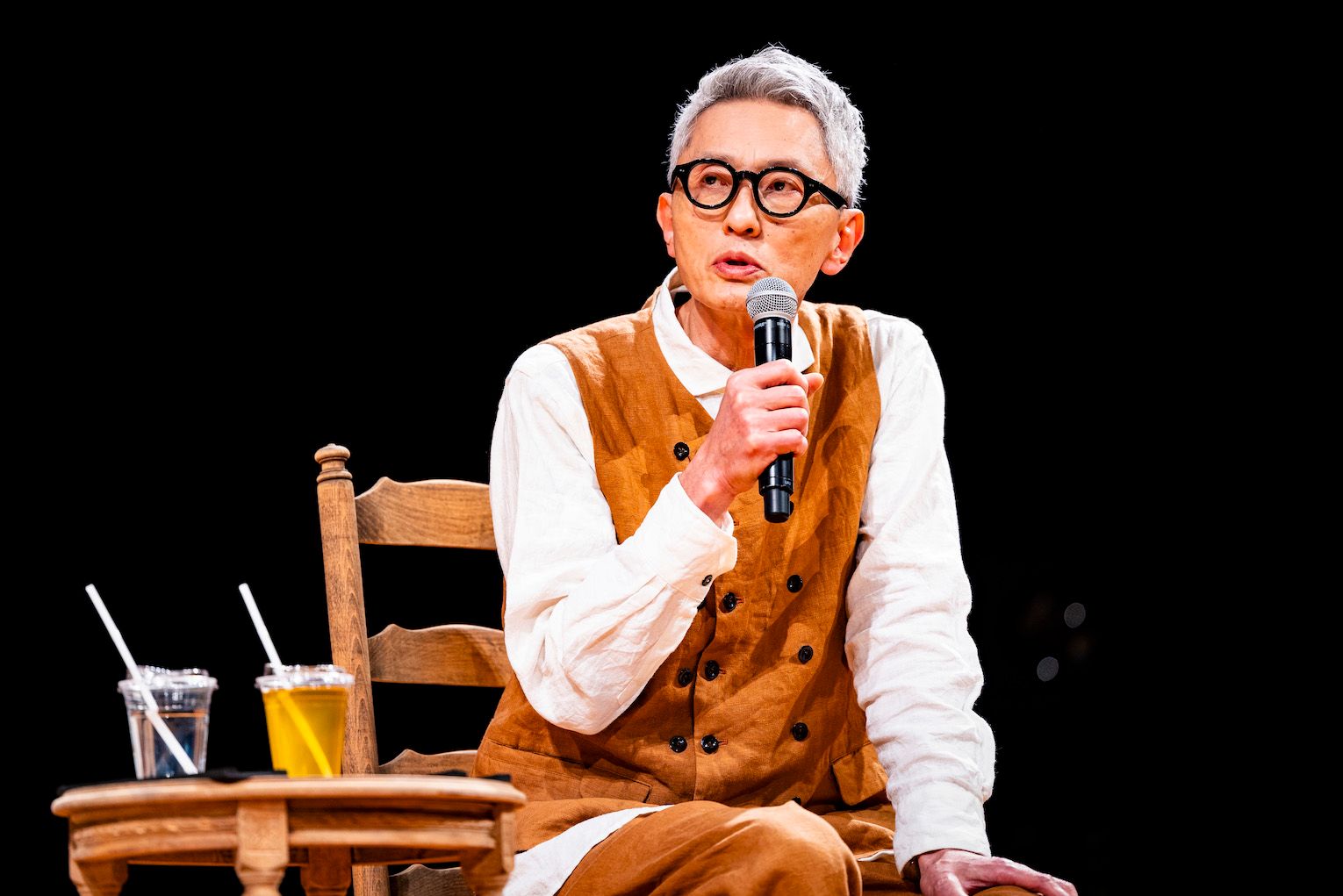
深町氏 街で見かけたことなかったですか。
松重氏 いや、見かけましたよ。「今日鮎川さん見たぜ」っていう話が、 やっぱり僕らの共通言語だったし、やっぱり鮎川さんっていう人にずっと憧れ続けてきたおかげで、 俳優をやる中で、たまたま『ユー・メイ・ドリーム』というNHK 福岡で制作したドラマをやるということになり、僕はシーナのお父さん役を演じました。だから鮎川さんに「東京出て勝負しろ」っていうセリフも実際言ったんです。そういうのも、自分とリンクする。そのシナロケが凱旋コンサートっていう、シーナ&ロケッツが東京で成功して、こっちに戻ってきて、ライブをやったのが、確か都久志会館だったと思うんすけど、僕それ見に行ってんですよ。
深町氏 それは高校生ぐらいの時ですか。
松重氏 高校か浪人か、そのぐらいだったと思うんですけども、その時に行ったライブシーンも実際にやったんですよね、ドラマの中で。俺、ここの会場にいたガキだったんだなと思いながら見てて、そういう意味でやっぱ鮎川さんっていうのは、非常に僕にとっても大きい存在でしたし、その後ラジオに来ていただいて、いろんな話を聞かせていただいて、やっぱいつまでも、ずっと先を走り続けていただける先輩だと、僕は地元の小僧として思ってたんで、まさかっていう気持ちでは、まだ今現在もいるんですけども。
深町氏 でも最後に番組で一緒にお話する機会ができてよかったですね。
松重氏 ですね。もう本当に鮎川さんっていうのは、やっぱ僕にとって星みたいな方でした。
深町氏 本当に人を分け隔てしないし、また反骨精神もあって、しかし愛しかないような、そういう素晴らしい方ですもんね、人格的にも。
松重氏 ロックっていうものがこうやって愛に育まれていくもんだっていうことを、身をもって教えていただいた方でした。
深町氏 「ロックが好きなら友達たい!」みたいな、そんな言葉を常におっしゃっていただいた感じですね。光石さんどうですか。鮎川さんのイメージは、何かありますか。
光石氏 実はね、本当に面識無くて。東京出てすぐの頃に博多というか、福岡の集まりみたいのがあって、そこには武田鉄矢さんとか、タモリさんとかいらしてて、僕その末席に座ってたんですけど、そん時に鮎川さんが、おいでになって、それこそちょうど「ユー・メイ・ドリーム」がヒットしていた時で、それをシーナさんと一緒に歌ってたのを見たとか、あと下北沢で見かけたとか。本当にその程度なんですよね。かっこよかったですね。下北を歩いてらっしゃる時も、いつもあの格好で、衣装とかそういうんじゃなくて、鮎川さんだったんですよね。
深町氏 松尾さんは、鮎川さんが非常に親しくされていた盟友とも言える、ジューク・レコードの松本康さん。また松本康さんも昨年お亡くなりになられて。
松尾氏 秋にお亡くなりになって。言うなれば、私と深町さんも、松本さんが繋いでくれた。
深町氏 博多のバンドマンはもう全部お世話なってましたもん、ジューク・レコードに。
松尾氏 僕は中学と高校の時に。松本康さんが経営されてたジューク・レコードは、天神の親不孝通りの近くにありました。FUTATAよりもうちょっと西寄りで、風街っていう喫茶店の上でやってらっしゃいました。そこに僕、お二方よりちょっと世代が下なもんですから、背伸びするような感じで行ってたんです。その松本さんが、シーナ&ロケッツの詞を書いてるらしいとか、もっと言うとサンハウス。鮎川誠さんが元々おやりになってたサンハウスに準メンバーのような形で深く関わってらしたっていうのは、当時から存じ上げていました。なので、鮎川さんはさらにその向こうの人って感じで。何しろあの佇まいですからね。自分は当時、音楽業界に行くなんて思ってもいなかったので、神様のような感じで見上げてましたね。僕は結局(鮎川さんと)仕事をご一緒することはなかったんですよ。同じ場所に居合わせたことは何度かあるんですけど、個人的な会話をすることができなかったのは、非常に残念でした。大袈裟な言い方になるかもしれないけど、 鮎川さんのような方が開いてくださった扉を通って、僕も東京で音楽の仕事をやることになったんだなという感謝は、年を重ねるごとに強く意識するようになりましたし、敬意もどんどん深まりましたね。
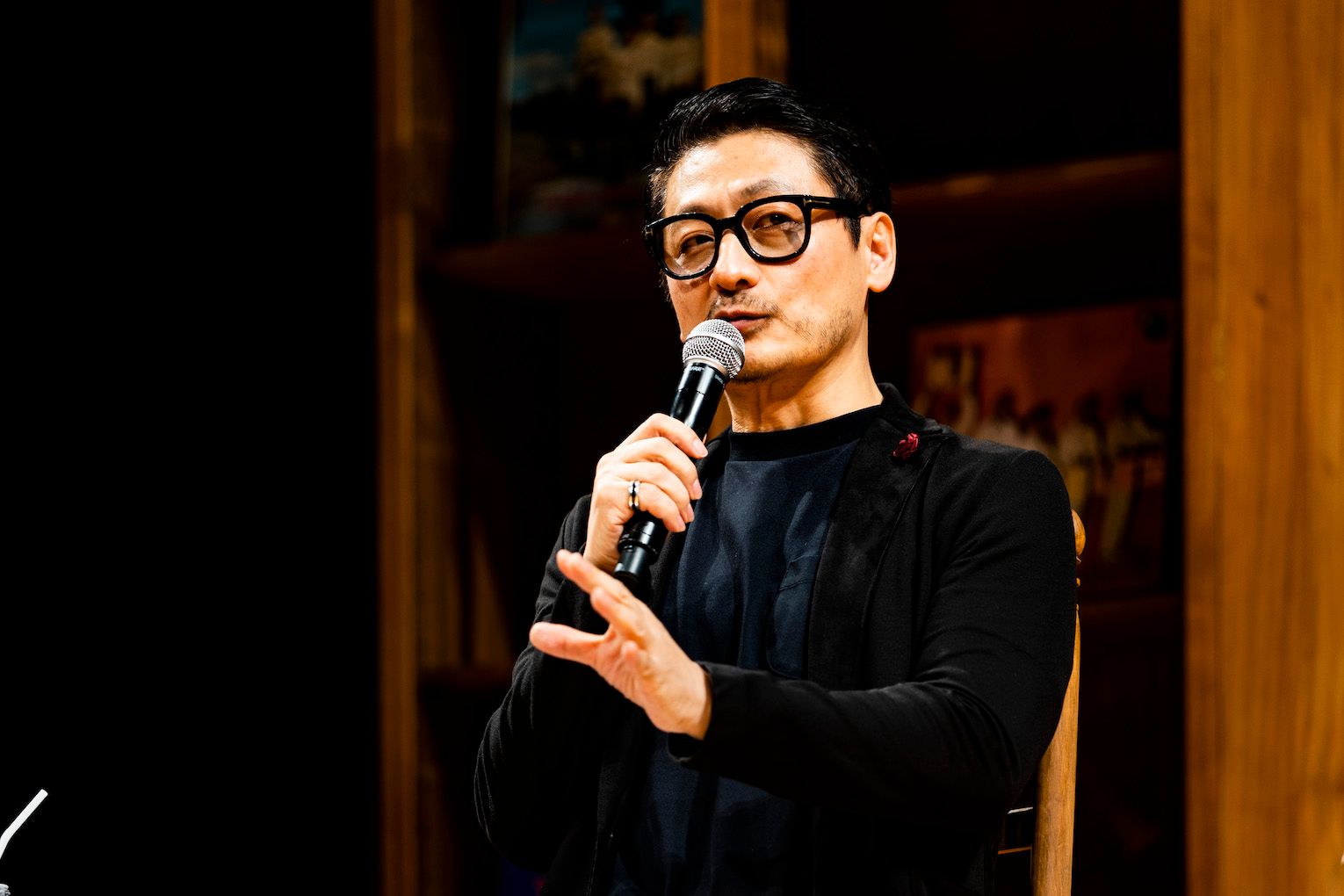
深町氏
シナロケはもちろん東京に行ったんですけど、サンハウスがかっこよかったのは、福岡を離れなかったんですよね。ずっと福岡を拠点に、もちろんその中でレコードも作っていきながら、そして全国的に色んなツアーもやってたりして、今思えばすごく斬新な先進性のあるそういう活動も。
あれ、ちょっとまた懐かしい写真が。
松尾氏 これ、僕が深町さんと初めてお会いした時じゃないですか。松井伸一さんという、また福岡を代表するラジオDJで、元々KBCアナウンサーとして鳴らした方ですが、2014年に彼が生前葬を敢行されたこの時も、鮎川さんのメッセージが届いてましたね。
深町氏
そういうちょっと懐かしい話もありますけど、改めてここで鮎川さんのご冥福をお祈りしたいと思います。本当に偉大な大先輩ということで、ただ我々は鮎川さんが残してくれた「キープ・ア・ロッキン」というメッセージを引き継いでいかなきゃいけないんで、やることは各々形が変わっても、そうやって続けていくことが大事かな、という改めて肝に命じてるとこではあります。
ここでせっかくなので、皆さんの久しぶりの福岡ということで、懐かしい話にも戻ってもらって、青春時代をどのようにこの福岡で過ごしていたのかというお話に移りたいんですけれども、光石さんは実はね、さっきちょっと紹介させていただいたように『博多っ子純情』の、まさに主演大抜擢。あれ、おいくつだったんですか。
光石氏
えー、16歳と8ヶ月とかぐらいだった。
7月の頭だったんですけど、試験中にオーディションに行って。
深町氏 そこから光石さんの人生が変わったと言っても過言じゃない。
光石氏 もうこの日で変わったんですよね。全てが。
松重氏 ひとつ言わせてもらっていいですか。あの、ちょっとこれ、いつも定番のツッコミになるんすけど。僕、光石さんのひとつ学年下で、この世代の福岡で、この年代にものすごいオーディションのお触れが回ったんですよ。うちの高校からもだいぶ行ったんですけども、みんな落ちたって。新聞で西日本新聞やったかな。当時、高校二年やったですか?。二年の光石研さんが合格しました。東海第五の高校二年生ですって書いてあって「ん?なん?北九州八幡の人間やん!」って、大ブーイングですよ(笑)。 「博多弁も喋りきらんめーもん。北九の人間がくさ!」「なんなちゃ、なんなちゃ」って言うてからさ「博多っ子やられても困るばい」て言いよった。(場内爆笑)
光石氏 また怒られるばい。そらあんた(笑)。
松重氏 いやいや、俺は博多のすぐそこのところやったけん、恵比寿流やったけんね。 博多の人間やなかったら、山笠のこげな格好もできんやったっちゃん。「よお、しきるねー」と思うてからさ。
深町氏 むしろ松重さんの方が博多っ子ですもんね。
松重氏 そうなんです。全然俺に声かからんやったもん。
光石氏 いや、それはしょうがない。
松重氏 そこでもうやっぱり、光石研っていう俳優さんを意識せざるを得なかった。この年になるまで、ずっと一緒に俳優っていう仕事をやらせていただいたのも、これも何かの縁かなとは思います。
深町氏 随分お二人仲良しというイメージもありますよね。
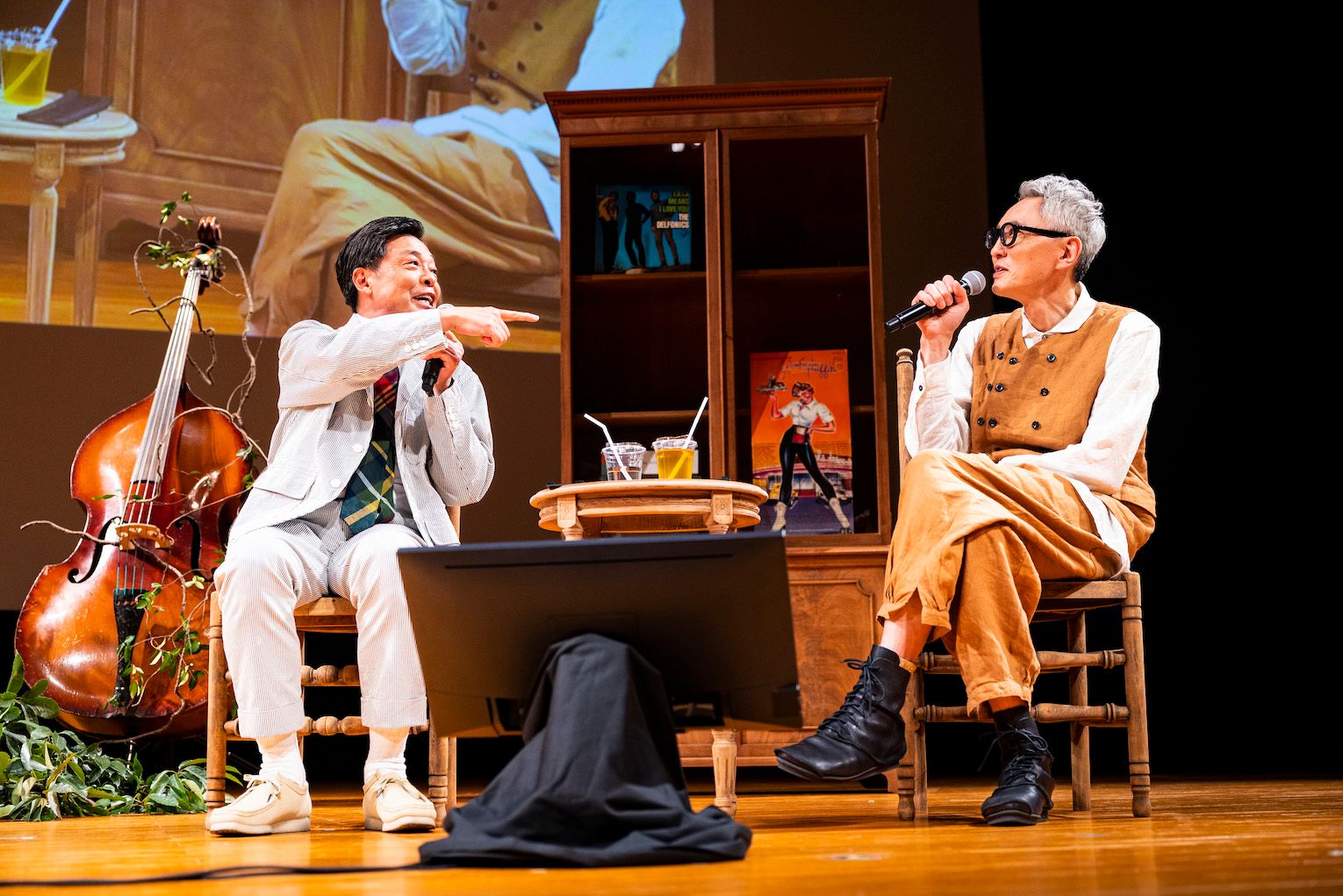
松重氏
いや、もう会えば喧嘩ばっかりなんですよ(笑)。
でも、やっぱり田舎がこうやって近いし、 聴いていた音楽とかの情報とかもね。あの頃の好きな音楽が、どっか体に染みついてるから、つい先日も「Deep Sea Diving Clubいいぜー」ってLINE が来て、聴いたら「あ、もう光石さんの好きそうな」このちょっとポマードの香りがプンとするような、ロックンロールバンドで。
光石氏 そうなんですよ。僕、東京でラジオで、出勤中に聞いて、もう信号待ちの時にすぐ書き留めて、それでその日の夜、仕事終わって帰って、すぐ松重さんにメール送りました。
深町氏 いや、そしたらね。松重さんラジオで光石さんから教えてもらったって紹介してましたよ。
松重氏 博多のバンド。博多のくせに、Deep Sea Divingげな。どこにダイビングするとやって(笑)。 天神発げな言うてかますからね。
光石氏 そうそう、天神シティ・ポップ。
深町氏 『博多っ子純情』ってすごいなと思ったのが、長谷川法世さん漫画原作のあれって、こってこての博多弁じゃないですか。でね、全国的にも非常に有名になった漫画だったんですけども、僕、法世さんに聞いたんですよ。「ようこの企画が通りましたね」と。こんな博多弁丸出しの、関西弁に比べたら圧倒的にマイナーだし、読む博多弁ってわかりにくいし、どうしてあれ通ったんですか?って聞いたら、いや実は海援隊の「母に捧げるバラード」のヒット、あれがあったから随分やりやすかったということをおっしゃってましたね。確かに「母に捧げるバラード」私も子供の頃に聴いてて、やっぱ嬉しかったですもんね。バリバリの博多弁で鉄矢さんが「こらなんばしよっとか」みたいな感じで。 だから、そういう流れがあったからだと。博多弁は全然オッケーでしたか?
光石氏 僕、実は父がこっちの方で、母もね宗像なんですよね。母方が。こう聞き馴染みはあったんですよね。なのでそんなに苦労しなかったと。
深町氏 という話らしいですよ、松重さん。
松重氏 ちょっとじっと見てました、今。どげんやって汗かくかなと思いながら。(場内爆笑)
光石氏 あんまりこっち(松重さん側)見たくないですよね、今日はね。あんまりこっち見らんようにしとこうと思って。(場内爆笑)
深町氏 山笠のなんか、独特のプライドみたいなのがあって「お前どこ中や?」ってすぐ言うんですよね。
光石氏 当時色々な流に「協力してください」って言ったら、なかなか協力していただけなくて、やっと西流さんに協力していただいたって話は聞きました。あの時スタッフ全員締め込みしないと、撮影はダメだっていうので、スタッフもみんなカメラマンとか、みんな全員正装して、それでカメラ回したんすよ。じゃないと、こっから中には入れないっていう。でもね、すごいみんなスタッフの皆さんも嬉しそうだったんですよ。その格好して(笑)。
深町氏 一方、今度は松尾さんと松重さんの共通で言えば、西新の街あたりがお二人の青春時代かなっていうね。それぞれ高校があの辺のエリア だったんじゃないかなと思いますけど、西新はそげん変わってなくないですか。どうですか?最近行かれたことありますか、西新あたりは。
松重氏 あの西新パレスが無くなったでしょ。もうあれが無くなったらもう終わりやもん(笑)。俺、もう香椎花園が無くなったけんもう終わりばいと思って。そして先週帰ってきたら福ビルが無かったろうが。もうここはふるさとやないもん(笑)。帰ってきたっちゃなんか帰ってきた感じがせんめーが。西新は西新パレスが無かったら、もう何にもないっすよ。
深町氏 だってほら、蜂楽饅頭とか色々なかったですか。
松重氏 蜂楽饅頭はありましたけど、コバルトアイスが無いでしょ今。コバルトアイスがなからな(笑)。
松尾氏 食べてましたね〜(笑)。
深町氏 松尾さん、なんか西新あたりは思い出がありますか?
松尾氏 僕も中学、高校と西新でね。それこそ楽屋でお話ししてた、松重さんが高3の時に通ってらした同じところに、僕、中学生でいたみたいです。もちろん、その時に面識は無いですが。(松重さんのことは)大きな高校生と思って、ちょっと気配隠してたぐらいかと思うんですけど僕(笑)。西南学院って学校は音楽が盛んでした。あと西新にはL(エル)っていうレコード屋が。
深町氏 あ、レコードショップありましたね。
松尾氏 はい、LP専門なんですよ。シングルも置いてたのかもしれないけど、LP主体だったのがすごく印象的でした。あと、僕の中学〜高校の時期は、西新も貸レコード屋さんの全盛期になるんです。そんなにお金をかけずに、たくさんの音楽が、だって一気に150円とか200円とかでアルバムが聴けるのが出たんですよ。だから今のサブスクが出たぐらいの衝撃はありました。ましてや中学、高校生ぐらいの時とか、一枚のアルバムを何人かの友だちと共同で借りたりとかすると、100円ぐらいでアルバムを聴いたりできるじゃないですか。それをカセットテープに録ったり、録らなかったり。音楽を聴く量が一気に増えたのが、西新の貸レコード屋さんの恩恵だったなと今になって思いますね。でもやっぱり自分で所有したいっていう気持ちもあったし、貸レコード屋さんに置いていないものを求めるときは天神に。天神のジュークレコードとか、大名の田口商店やボーダーラインといった中古ショップ、あと長浜にはタワーレコードKBCもありました。あそこに遠征したりもしてましたね。
深町氏 お二人どうですか。音楽と触れ合ったのはもちろん、博多時代っていうか、福岡で音楽と出会ってるわけですよね。
松重氏 西南、うちの高校、三つ上に陣内孝則さんがいらして、モッズの苣木寛之さんが確か二つ上やったっちゃなかったかな。モダンドールズやっていました。だけん、その辺でライブハウス言うたら、ダークサイドムーンとか。
深町氏 西新にもJAJAってありましたけど。
松重氏
あとね、80s ファクトリー。あれが、やっぱりもう、めんたいロックの聖地でした。
とにかく音楽が、 僕は弾くことも歌うこともできなかったんで。石井聰亙さん。石井岳龍さんって監督名前変えられたんすけども福岡出身で、モッズとか、当時そういう人たちを使って映画を撮ったりしてて。
深町氏 『狂い咲きサンダーロード』『爆裂都市 BURST CITY』『高校大パニック』。
松尾氏 「数学できんが、なんで悪いとや!」ってやつですよね。
松重氏 そうです。その前に8ミリ時代に『突撃!博多紅蓮隊』とか『1/880000 の孤独』を、8ミリで撮ってたんですよ、福岡で。そういうのに福岡の音楽が乗っかってたんで、福岡で音楽はしきらんやったけど、俺映画だったらできるかもと思って、この世界に入ったのがきっかけなんですよね。
深町氏 音楽経由で俳優の道が見えてきたみたいな。
松重氏 そうなんですよ、結局音楽やりたかったけどできなかったんで、別の方法ないかなと思ったら「あ、そうか、映画撮るっていう方に行けばいいのか」と思って、東京に出たっていう経緯があったんで。出発点は福岡の音楽シーンでしたね。
深町氏 しかもそういうめんたいロックに結構ディープに入ってる。
松重氏
そうですね。だから箱崎祭とかでも、結構良いバンドが集まってたライブがあったんですよ。その頃のレコードとかも『箱崎 ロックフェス』ていうのがあったんですよ、フルノイズとか。
(https://www.nishinippon.co.jp/item/o/133677/)
深町氏 やっぱもう同世代やから懐かしいなー。
松重氏 その辺の音楽バリバリ聴いてましたね。
深町氏 なるほど、光石さんどうですか。音楽との出会いというか。
光石氏 あんまり博多のライブハウスも来たことないし。
深町氏 いや、北九州の話でもいいですよ。
光石氏 ルースターズの皆さんが北九州で、大江慎也さんが東筑高校の三個上だとか…。
深町氏 もはやレジェンドと言ってもいいルースターズ。
光石氏 花田裕之さんが八幡高校でとかっていうのは、聞いてるけど、僕は面識もなかったですし。で僕ね、いわゆるもうちょっといかがわしいダンスミュージックみたいのが、ものすごく好きで、あまりロックというか、 拳振り上げたり、あんまり性に合わないっていうか。この音楽の向こうにそのいかがわしさがある。何かやっぱりダンスミュージックの向こう側に何かあるみたいな。そういう方が好き。ちょっと軟派だったんです。
深町氏 僕と光石さん実はタメっていうか、同級なんですよね。あの頃ってロックンロールリバイバルがありましたよね。キャロルからクールス、その流れは結構光石さんどっぷりはまっていたのでは?
光石氏 そうなんですよ。大好きだった。だからチェッカーズの皆さんとか、ああいう感じは大好きだったんですよね。オールディーズが好きでした。もう今ここにまさしくジャケットが飾ってある『アメリカン・グラフィティ』とかね。こういうのにものすごく影響されてたんですよね。
深町氏 なるほど。結構音楽やりたいっていう気持ちにはならなかったですか、その時は。
光石氏 なりたいとは思うっていうか、もうそんなことを、どうだったんすかね。楽器も弾けないし。
松重氏 クレイジーケンバンドさん!結局「歌わしてくれ」って、ライブハウスでお歌いになりましたよね。 まだクレイジーケンバンドさんがそれほど知られる前。早い段階で「もう歌う権利を俺もらったけん」って言うてたでしょ。恵比寿のライブハウスで。(場内爆笑)
光石氏
おったやろ、あんた(笑)。いやいや、だから24年ぐらい前ですかね。
ある映画のイベントで、大杉漣さんと田口トモロヲさんが〈Har’G KAITELS〉で、映画『不貞の季節』っていう映画の、廣木隆一さんの映画でイベントやったんですよ。
それで大杉さんたちが歌って、その時にとにかく色々な俳優さんに声かけて、歌わないか、歌わない?とかって。で、大森南朋さんのバンドとか大友良英さんのバンドとか、色々出たとかで、俺はその当時ハマってたクレイジーケンバンドさんが歌いたいつって、クレイジーケンバンドさんの事務所に電話して、カラオケ作ってもらって。
深町氏 まだカラオケとか出てない頃でしょう。
光石氏 出てない頃なんですよ。それで、もうわざわざ電話して、それを持って、これが歌いたいんですつって。やーやーやーやーみんなに言われて「なんだお前それ」とか言って、 それで三曲ほど歌わせてもらったんですよね。その時に田中哲司さんとかをバックボーカルに従えて、それで出てって歌った覚えがあります。
深町氏 なかなか歌える人だということを、僕は松尾潔さん経由で…。
光石氏 いやいやいや、歌えてない。それでももうほんとにみんなで大笑いしながらやったって。
松尾氏 2年ぐらい前かな、今日も会場のどこかにいらっしゃると思うんですけど、甲斐真樹さんという青山真治監督の盟友としても知られる北九州出身の映画プロデューサーからご紹介を受けました。それから会うようになったんです。そもそも歌手デビューしたくて、僕と会ってるんですよね(笑)
深町氏 あら、そんなきっかけだったの?
松重氏 ほら、ちょっと都合が悪くなると、俺に目を合わせようとする。松尾さんと今目合わせらんないよね。(場内爆笑)
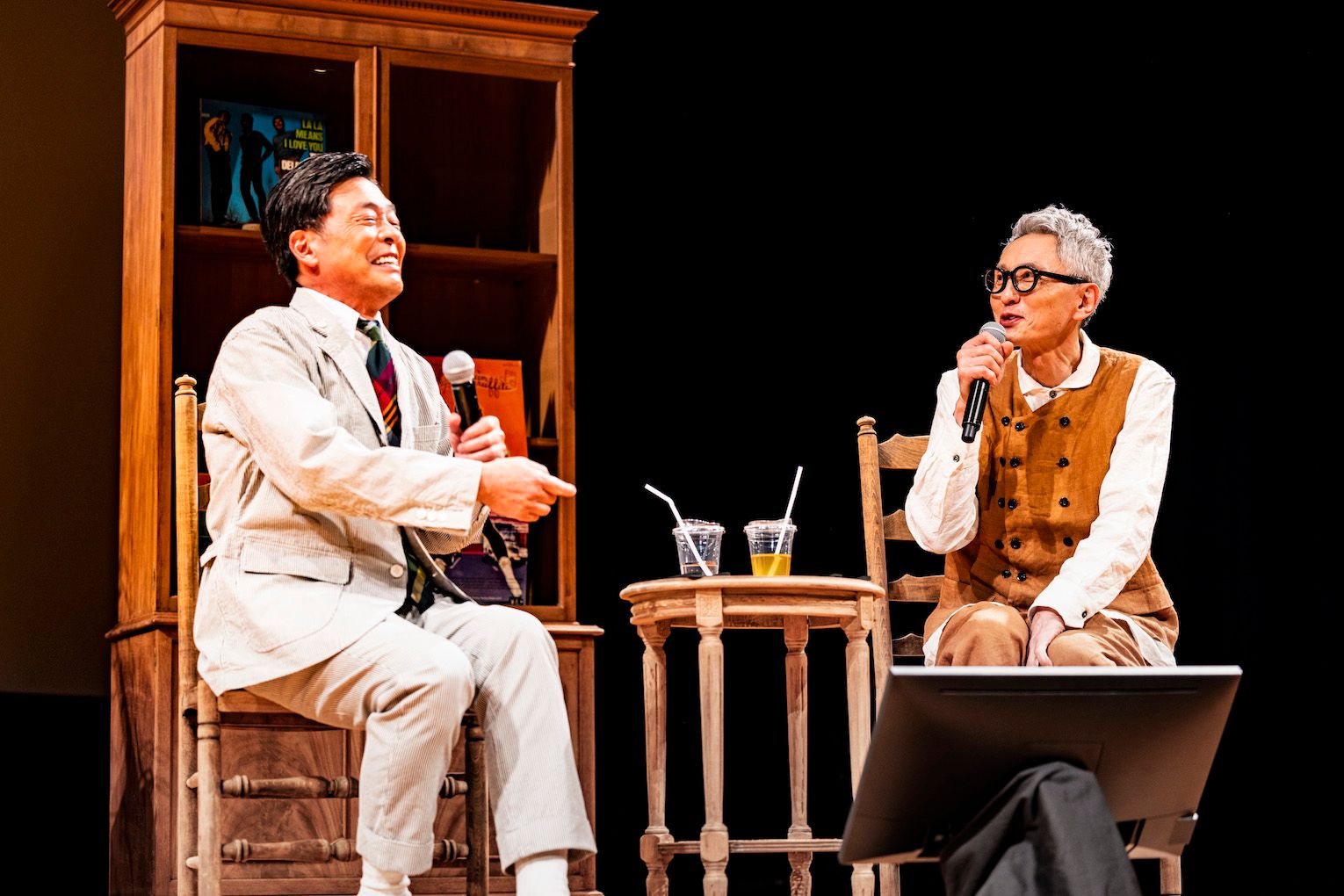
松尾氏 カラオケっていう名のオーディション、みたいな話は、この間出ましたよね。
深町氏 マジですか。
松重氏 何を目指してる、どこ向いてる今、いや、俺よくわからんけど。 (場内爆笑)
松尾氏 でも今回も、福岡でレコーディングできないだろうか、とか。一緒にくぐり抜けたいくつもの夜の中で、何度か話してますよね(笑)。
光石氏 俺が言ったみたいになってますけど、僕は一言も言ってないんすよ。言わしても無い。お酒を飲む時のおつまみで、そんな話をして盛り上がってたんすよ、それだけの話です。
松重氏 でもさっきお話が出た青山真治さんも、去年お亡くなりになりまして。青山さんの『ユリイカ』っていう作品で、僕、光石さんと初めて共演させていただいて。
光石氏 そうですね。
松重氏 ちょうど福岡の甘木っていうところでロケ行ってて、ほんとに青山さんも音楽すごい好き。門司の人なんですけど、ジム・オルークの「ユリイカ」って曲を使って、映画を撮って。音楽と映画をすごく意識して融合させていく、そういうクリエイターってどっか憧れがあるし、逆に音楽に対してアンテナ張ってない人って、なんとなくこう同業者でも、あんまり仲良くなれないところがあるんです。
深町氏 分かるような気がする。
松重氏 アンテナ張りすぎているところがあるんですよ。歌手デビューに関してはちょっと俺東京帰っていろんなところでアナウンスします(笑)。
深町氏 ちょっと聞いてみたいもんマジで。光石さんのちょっとソウルフルな歌、聞いてみたいですよね?皆さん。(場内拍手)
光石氏 おかしいって(笑)。
松重氏 じゃあ一節、Deep Sea Diving Clubの歌をなんかこう。一番気に入ってるフレーズを。(場内爆笑)
光石氏 やめて、やめてっつうの。やめて。
深町氏 までもね、仮に音楽やってなかったとしても、やっぱり福岡出身の人ってもう絶対音楽通ってるというね。しかも、それも半端じゃないていうか、かなり深堀りしてる感じがすごくしますよね。光石さんとかも相当ディグしてるでしょう。古い音楽も含めて。
光石氏 いやいやいや、そうですね。夜、お酒を飲みながら動画を見るのが好きですね。昔のフィルム見たりするのが。
深町氏 一方では松重さんはもう今の音楽とか。
松重氏 暇さえあれば音楽を聴いてます。僕の友達はSpotifyです。新しい音楽をどんどん教えてくれる友達は、Spotify君なんで、もう彼と今日もこっち来る飛行機の中でも、ずっとおすすめをダウンロードして聴いて「お、これいいね」と聞きながら、また楽屋で確認するという、 そういうぐらい。もうとにかく新しい音楽好きで、この後出てくるkiki vivi lilyちゃんも「この子は良い」と思って、ラジオに来てもらってましたもんね。なんと高校の後輩やったりして。先週はyonawoの二人に来てもらって、彼らも福岡でっていう。割と福岡の若いミュージシャンと繋がりがね。そういうのは楽しい。
深町氏 もう芝居とか映画見るよりも全然音楽チェックの方が。
松尾氏 〈福岡=音楽〉は昔っからですよね。これは何でですか。〈大阪=お笑い〉みたいな感じで〈福岡=音楽〉というイメージさえありますけど。
深町氏
もう間断なく、ずっと続いてますよね。
やっぱ〈のぼせもん〉ですよね。基本的になんかやりたがる。どんたくとかも、その最たる例じゃないですか。もう見るよりも出るみたいな、そういう人たちばっかりですもんね。やっぱりまずきっかけとしては、音楽で天下取っちゃろうみたいな。 そのぐらいの感じで入っていく人が、やっぱり圧倒的に福岡は多い可能性がありますよね。
松重氏 ちょいちょい歌詞に福岡の地名入れてくるじゃないですか。チューリップしかり、椎名林檎さんしかり。yonawo にも「天神」って曲があって「天神やん」って言って、そういうのがまたこっちの人間として嬉しいんですよね。
深町氏 昨日の野音のライブでも「天神」歌ったらしいですね。
松尾氏 〈こっちの人間〉ってフレーズに今ぐっと来てますね。何目線かなと思って(笑)。
深町氏
ちょっと松尾さんに聞きたいんですけども、こんだけ福岡って人がどんどん出てくるでしょ。それは音楽人に限らず、松重さんとか光石さんのような俳優とかもたくさんいらっしゃるし、 芸能都市という見方もできるんですよ。 もちろん今までのあり方で言えば、東京に出ていくしか成功の道がないというか、やはり松重さん、光石さんのように俳優の仕事は福岡にいても、なかなか仕事になりにくいっていうのもあるし、松尾さんの音楽プロデューサーというお仕事も、基本的には東京のど真ん中でやらないと、なかなか食っていけないみたいなところはあるんですけど。
アメリカとかを見ると、別にLAとかニューヨークだけじゃなくて、デトロイト、フィラデルフィア、アトランタ、メンフィスとか、ミュージックシティがいっぱいアメリカにはあるし。アメリカは広いけど、 例えば同じ島国のイギリスを見ても、別にロンドンだけではなくて、マンチェスターとかリバプールも、音楽が盛んな街だったりもするから、 この福岡のこれからの可能性みたいなことを考えた時に、福岡を離れずとも、やれる方法みたいなものが、今後できないのかなって思うんですよ。
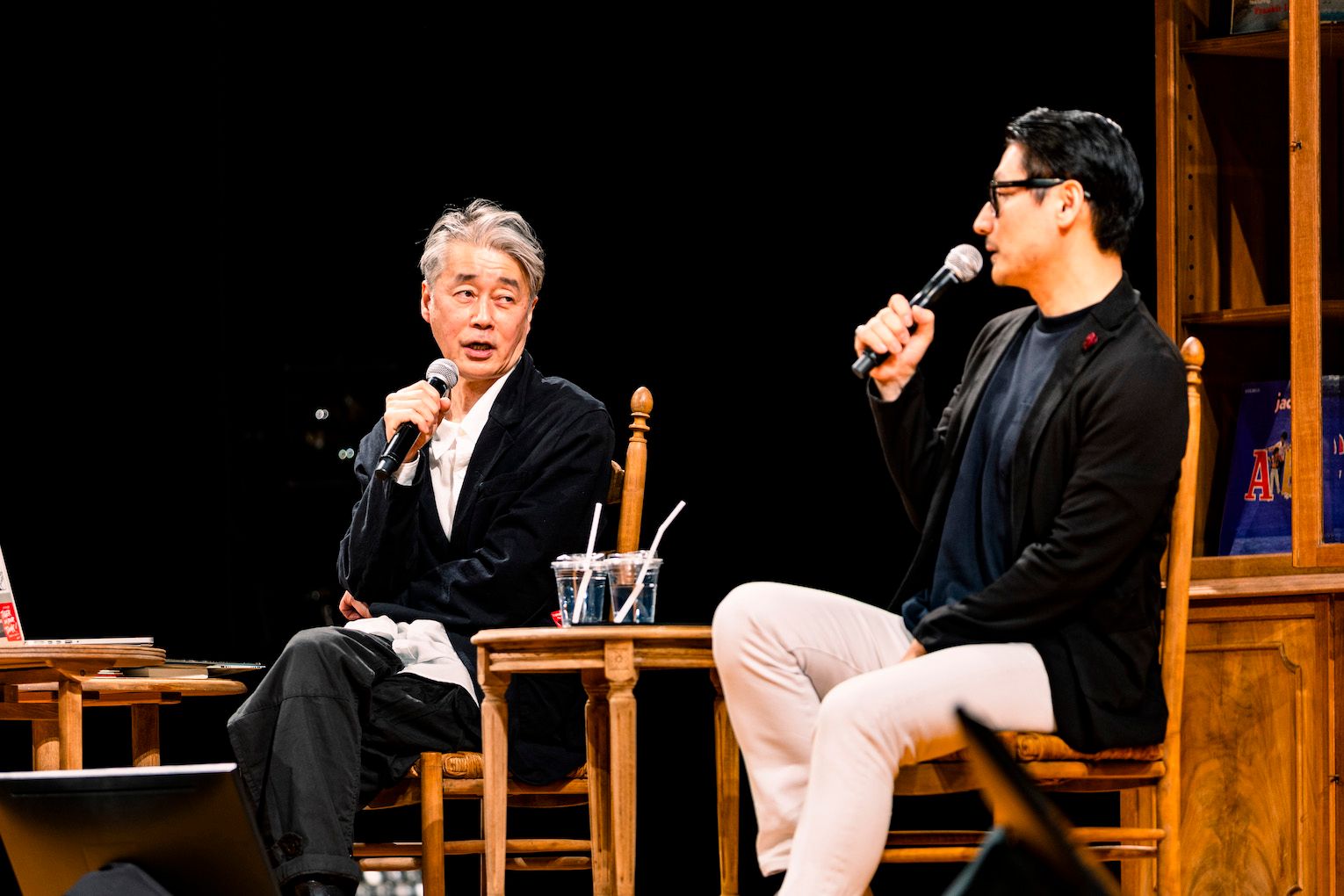
松尾氏 その昔、サンハウスは福岡に拠点を置き続けることにこだわっていましたよね。残念ながらその時は、そういう方法論がなかなか通用しづらかったかもしれない。当時はSpotify君もない時代ですから、パッケージっていう形に落とし込んで、それを全国の流通に乗せるしかなかった。効果的な宣伝も考えると、東京が何よりも有利ではあったと思うんです。でも鮎川さんがサンハウスの頃に夢想してもできなかったことが、今ならできる状況が整ってきた。それこそDeep Sea Diving Clubのメンバーもずっと福岡でやるというのが大きなアイデンティティになってるようですし。彼らの新曲は日本どころ世界のどこにいても同じタイミングで聴けるわけですよね。どこを本拠地にしようとライブに関してはツアーをするわけですから、そうなってくると、もう(福岡に拠点を置くことが)できない理由がないのかなっていう気もします。
深町氏 あるいは、選択肢が増えたらいいですよね。もちろん東京に行くパターンもあれば、福岡に残ってやるパターンもあるくらいな、そういうデュアルな二拠点があってもいいと思うし。
松尾氏 実際、別の街からやってきて福岡でデビューを飾るという人たちも出てきているのでは? 僕はプロデューサーになる前に、90年代は音楽ライター、音楽ジャーナリストっていう仕事やってましたから、それこそさっきおっしゃったようなニューヨークとかLAとか、アトランタとかシカゴとか、いろんなとこも行ってたんです。それぞれの街でデビューを飾って、そこから引っ越すつもりなんかない、なんで別の街に行かなきゃいけないの、みたいな話はよく聞いてました。Spotifyとかない時代にですよ。もちろんアメリカは大きいからという事情はあるにしても、イギリスでもそういうことがあったわけで。今の状況を見てると、福岡を離れることのメリットとデメリットは、昔とちょっと変わってきますよね。
光石氏 福岡はスタジオとか、録音の状況は?
深町氏 流石にやはり東京に比べたら全然まだ環境は整ってないと思います。ただ制作形態がパソコンでもリリースレベルのクオリティができたりっていうところまで来てるので。
松尾氏 機材も随分安価になりました。
松重氏 コロナもあって、海外に行けなくても、海外のアーティストとデータのやり取りで、フィーチャリングとかっていうのができる時代になって…。
深町氏 コライトとかまさにね。距離が離れていても一緒に曲を作れたり。
松重氏
CDを売るっていうことじゃない。それはミュージシャンにとっていろんな問題はあるかもしれませんが、サブスクで聴けるっていうことを僕ら享受してるわけですし、そういうことでいくと、 垣根っていうものは無くなっているし、まして東京と福岡なんてもう意味がない。ただ、もっと福岡にそういうクリエイターとか、ミュージシャンとか、映像作家とかが住みやすい環境っていうものを。
確かに福岡は物価が安いし、美味しいもんがすごく安価に手に入れることもできるし、そういう土壌はあったと思うんですよね。それで周りに面白いことを育ててくれそうな人たちがいて、一旗あげろやっていう土壌は、他の地方よりもあったと思うんです。そういうところがあるから、これまで脈々と続いてきた音楽人脈みたいのがあると思うんで、やっぱりその土壌を新しい形で、どうやって育んでいくかなっていう。その畑をみんなが見守り続けるような環境を、若い音楽家たちに与えてあげたいなっていうのは、 若い人たち見て思いますね。
yonawoさんとかも東京に出てきて、シェアハウスとかで暮らしていますけど、同様に博多でシェアハウスやりながら、四人で宅録でだって出せるんだもん。もう完全に良い音楽っていうのは。 そこに誰かラッパーが来て、「そこで入れるね」みたいなことだってできる。そのようなことは博多でもできるの、とも思ってしまいますね。
深町氏 今その話聞いてて、僕もワクワクしてきましたけど、それが可能になってきつつある気がしますよね。
松重氏 サウスロンドンに行くと、そういう人たちがわんさかいるとか、ベルリンでも、ちょっと離れたところにそういう貧しくても夢を持つ人たちがいるエリアがあって、そっから面白い音楽がポンポン出てきてるとかっていう情報があると、日本やったら博多やのになぁ、福岡なのになって、いつもこうイライラしながら聞いてますね。
深町氏 ほんと勇気づけられる人が結構多いと思うし、その土地だからこそ生まれる文化とか音楽ってきっとあるはずなんですよ。福岡にはまさに、めんたいロックもあったし、まだそういう意味では福岡でないと生まれない音楽もきっとあると思うので、そういう可能性にトライしていきたいですよ。これからね。それもどこでもいいわけじゃなくて、福岡みたいなバックグラウンドがあってこそ。
松尾氏 造語なんですけど〈中都会〉という言葉を思い浮かべてください。東京は大都会ですよ。大都会のアドバンテージもたくさんあるんだけども、競争が苛烈すぎて埋没することも同時にあるわけです。とはいえ、音楽活動を続けるためには、ある程度の都市機能は必要。いざという時のことを考えると、アップルストアに車で30分以内とかだと好ましい。そういったことを考えても、福岡はやっぱりいいんですよ。
深町氏 そういう意味じゃ、空港からもすごく近いから。
松尾氏 いろんなものが、程よいサイズのコミュニティーにある。
深町氏 なんやったら海外からもポンって福岡に来て、レコーディングすることも意外と簡単にできる。
松尾氏 海外から来た人をスタジオに招くのもそうだし、「僕のベッドルームへようこそ」って感じの音楽、そういう感じのレコーディングだってあっていいわけです。
深町氏 確かに、ホームレコーディングとかね、ベッドルーム・ミュージックとかありますよね。
松尾氏 ええ、最近は特にそういう質感を好む音楽ファンも増えてきました。松重さんがお好きなトム・ミッシュなんて、 大スタジオでゴージャスに作るベクトルを目指してやってるわけじゃないですよね。だけど人の気持ちを豊かにさせることはできる。 福岡で音楽をやり続けるにあたって、追い風とも言えるような状況が整ってきた気がします。
深町氏 それは、音楽プロデューサーという松尾潔さんからも見ても、決して遠い話ではない。
松尾氏 そうだと思います。東京だとやっぱり生活のコストがね。生活すること自体が大変すぎて、音楽やるために東京に来たはずなのに、目の前の経済を回していくことで必死になってしまい、これだったら福岡でデモ作ってた方が効率的にできたのに、なんて声を昔からよく聞いてきました。そんな状況は今でも残っているどころか、どんどん顕著になっているんじゃないかな。
深町氏
皆さんが、二拠点生活みたいなことが始まったら、福岡面白くなってくるじゃないですか。
実はね、財津和夫さんがそんなデュアルライフ。東京と福岡に拠点を二つ作って、こっち側でも曲作りされたりしていらっしゃいます。
考えてみたら、曲を作ろうということは、どこでもできる。
松尾氏 まさにそれを見せつけられた。財津さんは元々福岡で曲を作って、天下取った人なわけですから。その人がまた今、起点に戻っておられるとも言えますよね。タモリさんも故郷の福岡が大好きだとお聞きしていますから、いずれ帰ってきたいという思いがあるんじゃないかな。あるといいなって、密かに願っています。
深町氏 そうなってくると福岡にも何か芸能音楽都市みたいなものがね。 実際、リアルにもっと浮き上がってくるのかなと思うところもありますね。
松重氏
僕、最初から言いましたけど、福岡の景色がどんどん変わって、昔のいつまでもあのままでいろとは思わないですけども、やっぱり都会化してるっていうのが、どこかその反面そういう若い人たちがもしかすると、クリエイターが住みやすい土壌が失われていくんじゃないかっていう危惧は正直あります。
どんどんどんどん住んでる方たちが便利になって、都会と全く同じような生活ができるっていうことは、素敵なことだと思うんですけど、だから逆に今まで福岡で、一番育ちやすかったもの、映画作家にしても、そういう人たちが住める場所っていうのを、ちゃんとどこかで担保していくことができたらなって思いますね。
そうすると、二拠点生活した場合でも、例えばそこで若い人たちと一緒に何かまみれて映画を撮ってみるとか。そういうこともできたりするのかなっていうのは夢想しますね。
深町氏 なるほど、まあでもほんと映画なんて特に北九州、それこそ光石さんの地元では、かなり数々の映画作品ができてますよね。そういった意味では、必ずしも東京ではむしろできないことが、この福岡でできるみたいなところもあるし、 松重さんにおっしゃっていただいたように、こちらに暮らしやすくて、クリエイターにとっても魅力ある環境が整っていれば、むしろ福岡を選択肢の中に入れるということは、充分考えられますよね。
松尾氏 音楽をやるにあたり、福岡って美しい街の形、フォルムをしていると思うんです。都市としてあまりに大きくなると、その個性的なフォルムも崩れてしまう危険性がある。崩れるっていうか、維持するのが難しくなるって言い方が正しいのかもしれないけど。少しいやらしい言い方ですけど、そのフォルムを保ちながら、街としても、他の大きな都市に対抗できるような競争力をきっちり身につけていかなきゃいけないんでしょう。その両立はできないもんですかね。
松重氏
映画って本当に音楽も含めて、青山さんみたいに音楽から入った映画監督もいますし、映画って、そういう音楽のクリエイターも一緒に巻き込んで、色々面白いことできると思うんですけども、映画の環境で言うと北九州の方が全然いいんですよね。
フィルムコミッションも、しっかり頑張ってますね。昔の街並みとかはちゃんと、ものすごく大事に。何年代のロケだったら、その辺ができますよ。とかっていう、そういうなんか街ぐるみで、そういうものを大事にしようとしていただいてるところがあるんで、割と映画人はみんな北九州に行くんですよね。だから、それはちょっと寂しいなと思う。福岡ももっといい場所いっぱいあったのに、海もあるし、山もあるし、昔の街並みもあるし、そういうものを残しつつ発展っていうものを考えていただけたらなと僕は思いますけどもね。
深町氏
北九州は映画の街で、福岡が音楽の街ということでお互い連携プレーができれば、そこはさらに相乗効果が生まれる可能性もありますね。 お二人で映画祭とかやってほしいですね。福岡でそういうきっかけとかね、皆さんいいと思いませんか? 音楽がテーマな音楽映画祭でもいいし。(場内拍手)
その辺は我々も頑張って整えますから、そこにね。
光石氏 できたら面白いですよね。そういうことがね。
松重氏 こういう場で言っちゃったからっていうこともあると思うんで、なんか面白いことやった方がいいと思いますよ。言ったもん勝ちですよ。
深町氏 目撃者がいますよ。証人が。
松尾氏 今この会場に福岡市のエラい人とかいないんですか(笑)。
深町氏 いました、さっきいました。
松重氏 今目線合わせない。 (場内爆笑)
深町氏 いや、絶対響いてるはずです。
光石氏 俺中心ですか。 (場内爆笑)
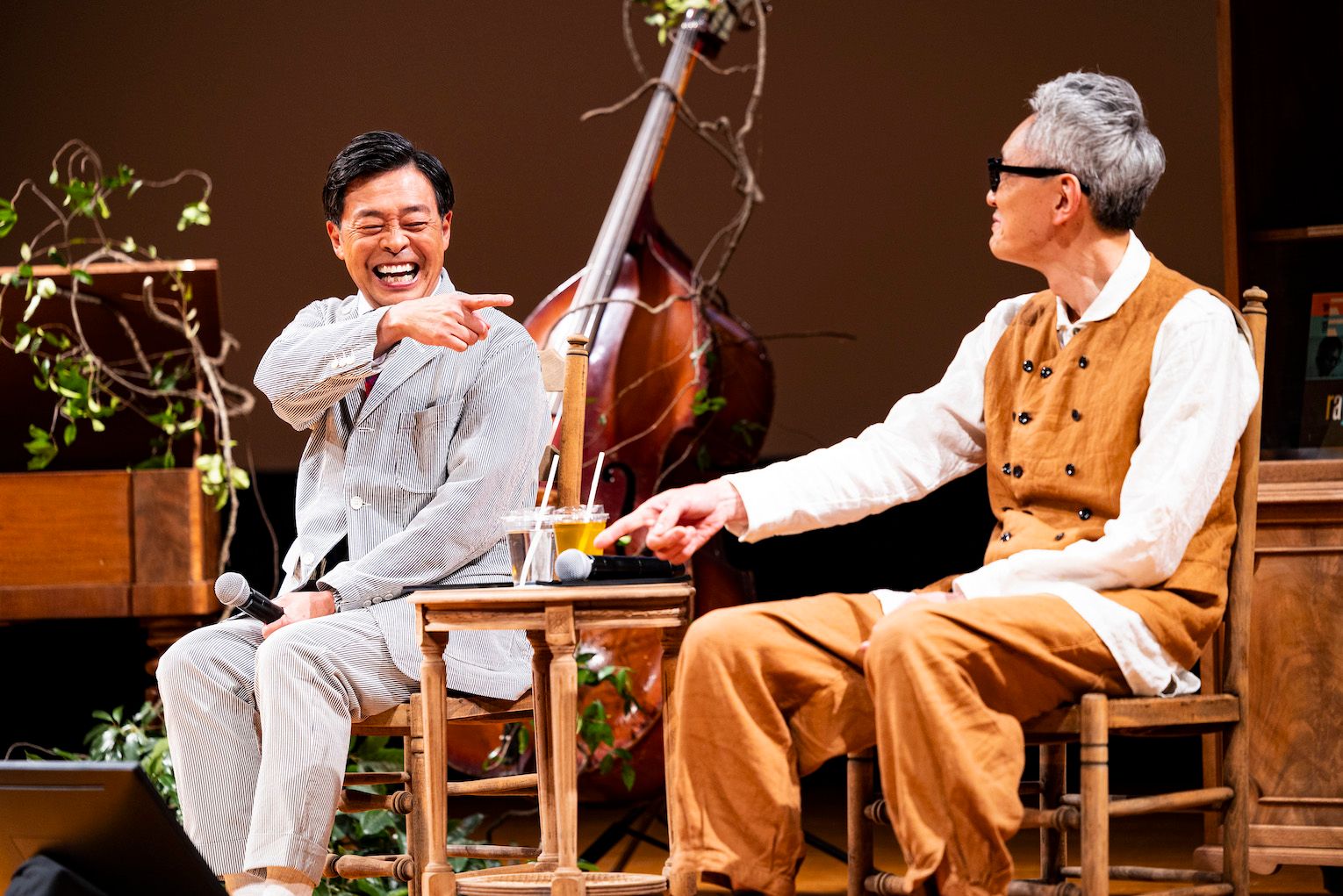
松重氏 決まりました。もう光石さん中心で映画です。
深町氏 やりましょうこれは。
光石氏 そういえば映画祭も今やってるんですよね。
深町氏 そうですね。あってますけどでも、それじゃなくて光石さんの何かやりましょうよ!
光石氏 あの、はい、失礼しました。 (場内爆笑)
深町氏
それはもう是非実現してほしいひとつになりましたね。
色々話はまだしていきたいんですけど、実際どうでしょう。皆さんそれぞれ趣味人というかね。非常に僕びっくりしましたけど、松重さんはドミ&JD・ベックとかジェイコブ・コリアーとか、皆さんがまだそんなにたくさん聴いてない先鋭的な音楽とかも随分チェックされてるぐらい音楽マニアですが、福岡でもそういう人たちはやっぱりいるんですよ。今まさに音楽もSDGsじゃないけども、今までは東京で一旗あげて、売れなければ諦めて音楽を辞めて帰ってくるみたいなそういうことも結構あったんだけれども、今は音楽をずっと続けたいから、例えば仕事が他に何かあったりとか、そういうことしながら、音楽だけはずっと続けていくみたいな。
そういうことを思ってる人もかなり増えてきてるし、 別に売れたからやれてる、売れなかったらもう音楽は捨てるとか、そういうことでもないのかなっていう気もするんですよね。松重さんはどうなんですか。例えば著書(『あなたの牛を追いなさい』)によると、随分役者として実際売れるまでに苦労されたりとかっていう話もありましたけど、「続けていくということ」は非常に大事だったりしませんか?
松重氏
鮎川さんの話に戻るんですけども、福岡でサンハウスやって、シーナ&ロケッツで、レコード会社がアルファレコードで当時YMOとかテクノポップっていうのが全盛の頃で、セカンドアルバムはテクノポップがたくさん入っていて、博多にいた僕らは「なんやテクノポップになっとうやない」って思ったんですけども、それと同時にテクノポップっていうのも、僕らの中にどんどん入ってって面白いなと思って。
鮎川さんに「当時どんな感じだったんですか?」って聞いたんですよ「楽しかったよ、全然知らんのがどんどん入ってくるっちゃもん。俺がこげなロックギター弾いたら全然違うピコピコで返ってくるやろが。面白かったよ!」っていう話を聞いて、俺、それで「あ、わかった」と思った。持続可能な許容量というか、いろんなものを吸収していく力っていうのが博多の人間ってのは土壌としてあると思う。福岡の人間って「ロックンロール!」って言ってた鮎川さんでさえも、やっぱそういうテクノとか、そういうものを吸収して面白いと思って楽しんで、自分のものにしていくっていう、 そういうことをやっていくことが、なんとかこの世界で続けていくことができた僕ら60過ぎても、この仕事やってんのもいろんな興味があって、たくさん見たり聞いたりして、 それでそういうものに刺激を受け続けていくっていうことが、最後の日までロックし続けたねって言われるように生きたいなと思ってるっていうことじゃないかなと思うんですね。
深町氏 なるほどね、まさに「キープ・ア・ロッキン」じゃないけど、自分の我を通すっていうことだけでもなくて、いろんなところに行きながらも、ちゃんと自分の芯がブレないというか、そういうことっていうのは鮎川さんが証明してくれましたよね。
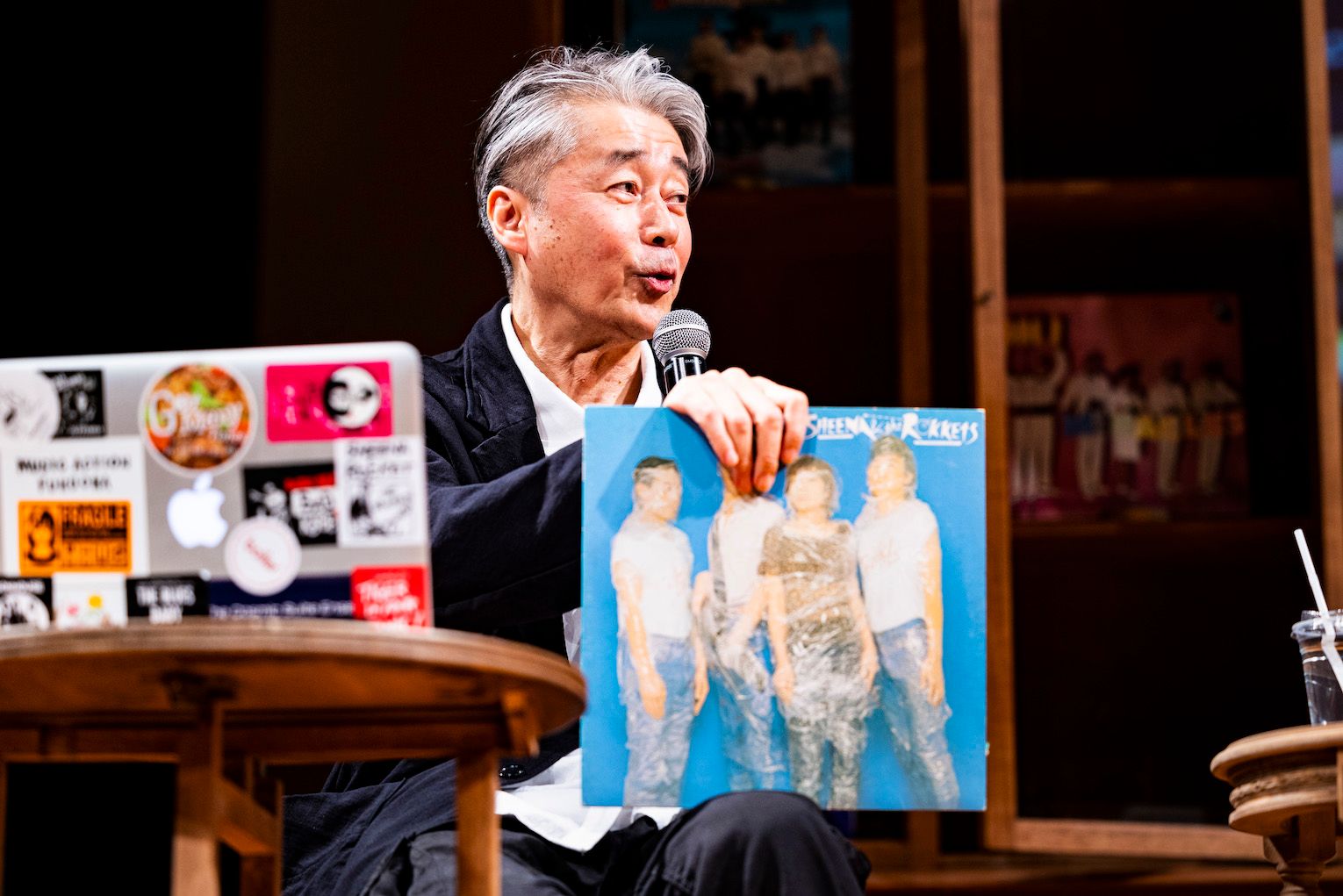
松重氏 僕にとっては、それこそがロックやなと思いましたね。
深町氏 松重さんもどっかでそういうことが支えになって、苦しい時代も乗り越えられたみたいな…。
松重氏 自分が食わず嫌いしたり、なんたりすることだけは絶対やめた方がいいというふうに、肝に命じますね。60になっても、俺そういうの向いてないからとか、だから光石さんの歌手デビューもそういう意味でいくとありだな、食わず嫌いしちゃいかんな思って光石さんが成功したら、僕もちょっとその後着いていこうかなと思ってます。 (場内爆笑)
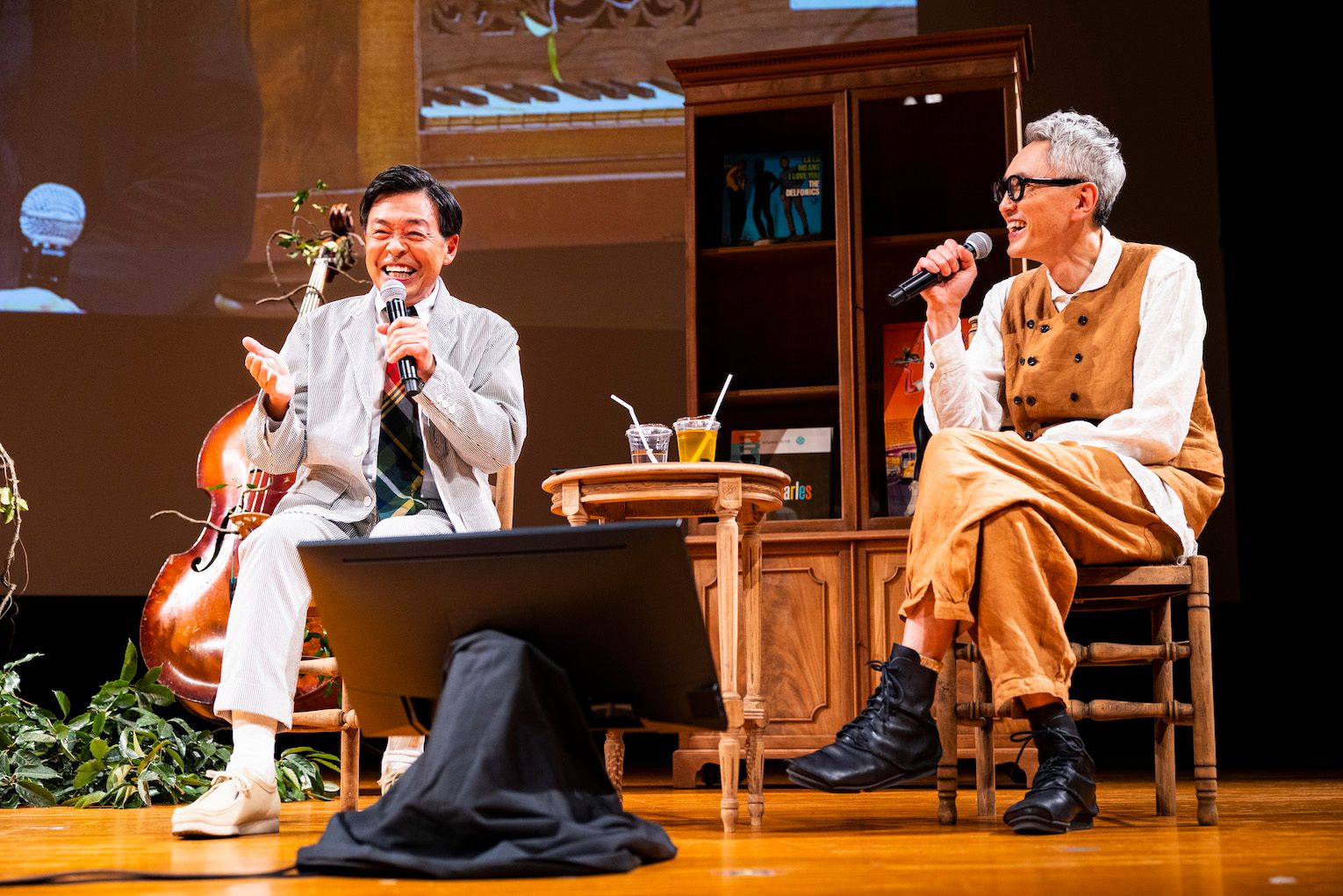
深町氏 どうですか。光石さんもチャレンジっていうか、全然あっていいんじゃないですか。
光石氏 ちょっとまあ、あの、それは別の話として。僕もやっぱり若い人の音楽聴いて刺激を受けたり、それこそ若い役者さんと一緒にやって刺激を受けたりすることがとっても多いんで、それはすごい楽しいことなんで、松重さんが言ったように、これは俺は無理なんでって言わないようにはしたいと思ってますけどね。
深町氏 今から色々まだ可能性はある。
松重氏 さ、ここで喉の調子を整えて、一曲歌っていただきましょう。 (場内爆笑)
深町氏 いやいや、もうほんとでもうそういう意味ではね、我々も結構な歳にはなってきてますけど、まだまだやれることが色々あるかもしれないし、若い人にバトンを渡すという意味でも、鮎川さんに僕らが背中を見せてもらったように、我々も見せてかなきゃいけない立場にはなってきてますけども、そういった意味じゃ松尾さんなんか、 プロデューサーとして何か福岡でも。〈のぼせもん〉は多いから、出たがりは多いけど、それをしっかりサポートしたり、俯瞰してプロデュースできる人っていうのが人材不足みたいな側面も福岡はありますから、そういったところを松尾さんとかが目をつけてくれたりすると、また活性化するかな。
松尾氏 ミュージシャン以上に、プロデューサーは東京でこそ成立する職種だ、みたいなイメージが強いと思うんです。さっきのお二人のお話を伺いながら、変化を受け入れながらも大切なところは変えないことが大切だと僕も思いました。もしくは、変わらないために何らかの変化を受け入れるか。あるいは、変わらないためには少しずつ変わり続けなければいけないのか。こういう真理は、 音楽にしても映画や芝居にしても同じかと思います。東京にいて良かったことのひとつは、「あの人はああいう理由でスムーズなキャリア構築にならなかったんだな」っていう、いわば先人の失敗例をシビアな視点で観察できること。もちろん成功した方も多いけど、そうじゃない方もたくさんいらっしゃるから。福岡で音楽を作っていると、ロールモデルもその逆も自分の見えるところにいない不安が常にあるかもしれません。これは福岡にかぎった話ではありませんが、若い時には、自分の些細なミスを、一生を台無しにしてしまう失敗だと思い込んでしまうことがあるものです。でも、音楽や演劇は些細なミスを繰り返しながら前進していくもの。そのことを寛容に理解してくれる周囲の人たちが必要。落ち込まずにすむ街の雰囲気が、芸術のインキュベーションには必要なんです。そこは髙島市長はじめ、街としてぜひ見守ってほしいですよね。
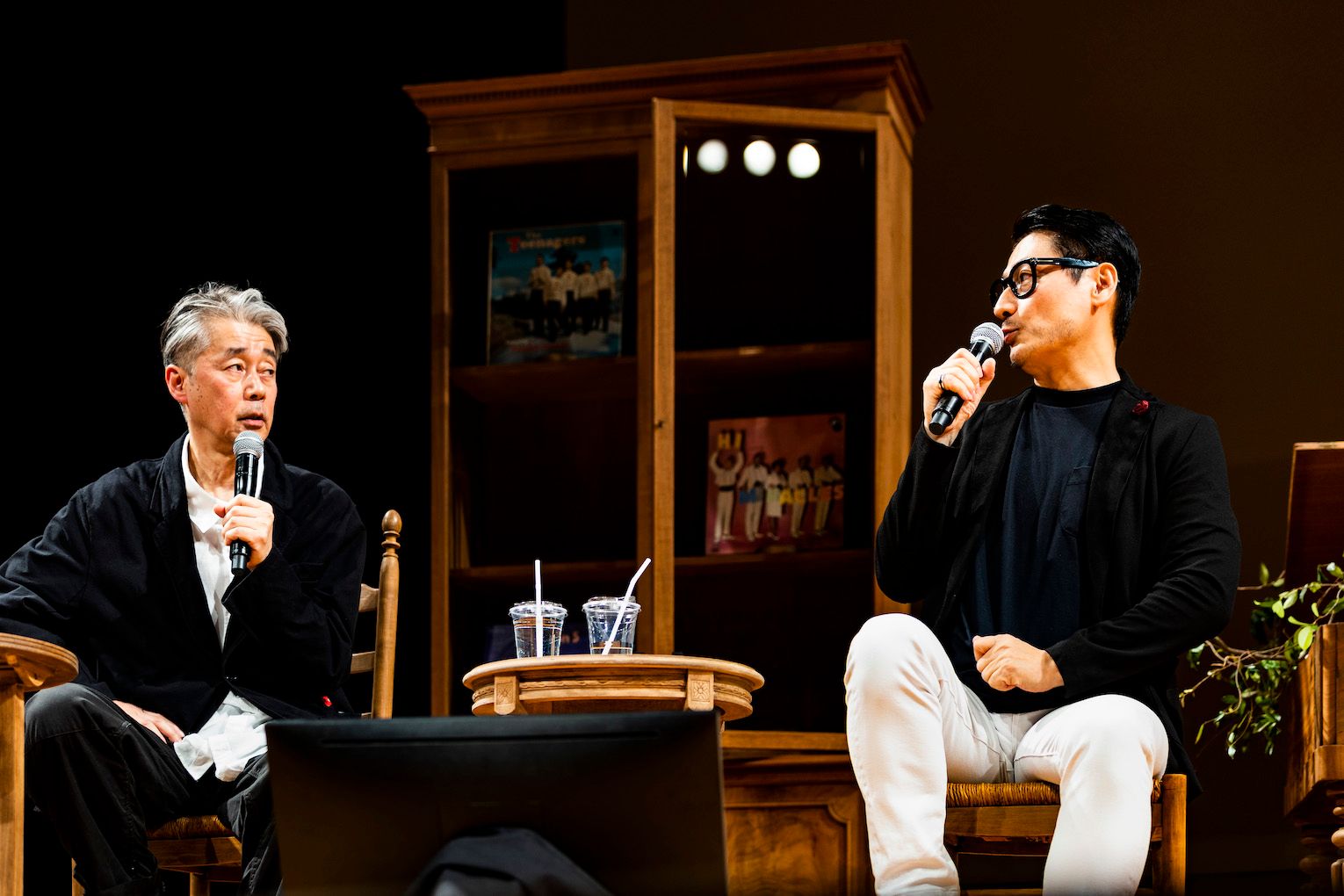
深町氏 今のキーワードで言うと、寛容性みたいなのは福岡ありますね。どんたくとか山笠もそうですけど、 街が一瞬にして変わっていく場面があって、それで普通だったら「やかましかったい」とか、なりそうなもんだけれども、それを普通に受け入れるぐらいな気質が福岡って実はあるんです。
松尾氏 この街は、失敗した人にも優しいっていうイメージがあるんですけど、実際はどうですか。 僕は引っ越しちゃってるから、ちょっと望郷の念もあって、そういう風に見えたりするのかな。ノスタルジーもあんのかな。意外に福岡冷たいよ、失敗したらみたいな(笑)。
深町氏 うん、どうやろ。もちろん一概には言えんかもしれんけど、イメージとしては、そういう飛び出してくる人に対する目線が温かい。例えば福岡は9月の一か月間、音楽フェスが五週間続くんですよ。毎週末、街中やビーチとか港でフェスが開催されていて、普通は騒音問題でえらいことになるぐらいな公共空間で。
松尾氏 福岡の9月の取り組みを聞いた東京の業界人が「福岡は街ごと狂ってる」って言ってました。これ、すごくいい意味です(笑)。
深町氏 いや、ほんとそれが僕ら当たり前と思ってるから。
松尾氏 福岡の人たちは多分気づいてないけど、こんなにも人口がある都市で、こんなにも長い期間、街ぐるみでやるなんて、と。一昨年、深町さんのご紹介で髙島市長と対談した時に、アムステルダムだとかニューオリンズとかも地名が出てきました。そういった音楽都市に敬意を払いながら、音楽そのものに加え、ミュージック・ツーリズムだとかの可能性も含めてビジネスもきちんと考える市長がいるという。やっぱり福岡は街ごと狂ってるんですよ(笑)。
深町氏 例えば9月のミュージックマンスのひとつに《中洲ジャズ》ってフェスがあるんですけど、中洲のメインストリートの交差点がステージになるって普通じゃ考えられませんよ。緊急車両を通さなきゃいけないとか、そもそも交差点ってイベントやったらいけないとこなんだけれども、そこを18時になったら歩行者天国で封鎖して、 わずか1時間で交差点にステージを組んで、斜め前には中洲交番があるんですよ、そんなところでバンバン爆音で音楽が演奏できる。
松尾氏 最高ですよね。
深町氏 こんな街は多分全国でもこの博多だけじゃないかなと思うんですよ。そういうのをちゃんと周りも大人がしっかりと認めてくれるっていうんですか。 許してくれる、そういう街ではありますね。
松尾氏 生まれ育った街でそれしか見てないと、そんなものかと思ってしまうものかもしれません。離れてみて初めて良さが分かる。福岡って、こと音楽に関しては寛容な街だったなと。
深町氏 子供の時に爆音とかで出会ったりすると、それで人生変わるかもしれませんもんね。
松尾氏 逆にそういうのがないと変わりづらいとも言えますよね。
深町氏 北九州もそうだと思いますよ。あれだけ街の中で爆破シーンを撮影できたりとか。そういうことに寛容ですよね。
光石氏 映画のスタッフの方々、皆さんおっしゃいますね。街中で東京では絶対できないことができるって。確か海に車を沈めていいのは、 北九州とどこかだって言ってましたよ。日本全国で二つしか無いらしくて…。
松重氏 日常茶飯事だった(笑)。
松尾氏 海に車を沈めるなんて、映画じゃないとただ恐ろしいだけ(笑)。
深町氏 文化が生まれる時に、寛容性って重要なキーワードな気がしますね。その変なやつっていうのが、やっぱ面白かったりしますもんね。結局普通じゃない人がやっぱりそういうアーティストだったり。
松尾氏 いびつなものを愛してくれなくてもいいけど、そのいびつさのままに認めてくれるような環境があると、その人は面白いことできるかもしれません。音楽の歴史を見ると、メインストリームじゃない異端の人、異端の音楽が、気づけばスタンダード化した例が少なくない。椎名林檎さんもそうです。彼女以降の若い女性ロックミュージシャンは、林檎さんっぽいか、そうじゃないかで分けられるほど。もともと林檎さんも変わった形をした石だったんです、最初はね。でもそれが今、高い価値が認められて宝石と呼ばれている。ここ25年ぐらいの日本の音楽業界の中でも特筆すべき事例だと思います。
深町氏 もちろんね、別に福岡だけがどうっていうことでもなくて、もう世の中がどんどんそうなっていく中で福岡はいろんな人種をウェルカムして、多様性、寛容性が街にあったら、まだまだこれから面白くなる。もちろん、天神ビッグバン、博多コネクティッドという表面的に街はシェープされていって、ソフィスケートされていくのかもしれないけど、そこの根底の中にある魂みたいなものだけはね、残し続けたいなという。
松尾氏 みんなで打ち合わせしてる時に、松重さんが「博多コネクティッドってなんね」っておっしゃったんですけど、会場のみなさんは認識されてます? 博多コネクティッド。今日初めて聞いた方はどれぐらいいらっしゃいます?
深町氏 拍手してもらっていいですか。博多コネクティッド知らなかったっていう人。 (まばらな拍手)
松尾氏 やっぱりそれほど皆さんに浸透してるわけではない。
深町氏 天神ビッグバンはご存じかもしれませんけど、激変ですよ福岡の街も、これからね。さきほど松尾さんがおっしゃったような、変わらないままでいてほしいものみたいなものがね、しっかりとこう共存していく、そんな街であってほしいと。
松重氏 なんか要望なんですけどもね。地理的に考えて東京に行くのと韓国に行くのと、そんなに変わらないっていうか、今船まだ出てないですよね?釜山とのフェリー。
深町氏 ぼちぼちまた再開すると思いますが。
松重氏 今、韓国音楽も面白いですよね。めちゃくちゃ面白いんですよ。別に韓流で表に出てくる人じゃなくても、ディープな人たちも結構面白い音楽いっぱい作ってるんで、そういう人たちとも地理的に近いんだったら、韓国などのアジアの人と一緒にやるとか。地理的に、やっぱり福岡っていい場所にあるんですよ。
松尾氏 地の利を活かせますよね。
松重氏 地の利を活かして、そういう音楽イベント、釜山映画祭なんて世界的な映画祭ですよ。すぐそこでやってんだもん。東京映画祭より近いんだもん。そういう何か巻き込んでいくのを東京、日本の中の福岡じゃなくて、アジアの中での福岡っていう位置付けを意識して、ものを作っていく、人を集めてくるっていうことを発想していく方が、より脱コロナとしても面白いと思うんです。
深町氏 まさに今すごくいい振りをしてくださったなと思う。
光石氏 良いこと言うでしょ、結構(笑)。
松重氏 光石さんに言えって言わされたんですよ。
深町氏
実は今回のフクオカ・ミュージック・サミットの一環で、そのようなことがもうすでに起こったんですよ。 Deep Sea Diving Clubと、タイのKIKI(キキ)という人気があるインディーズポップバンドがコライトしたんですよ。昨日と一昨日。それがなかなか盛り上がって、一曲作る予定だったのが二曲できたというね。
確か映像も先ほど流れたのかな、そのダイジェスト版みたいなものがね。そういうことがやっぱり福岡って、アジアとの玄関口っていうか、距離的な近さ、地の利もあるので、そういう意味では一緒にまたできていく部分が確かにありそうな気はしますね。
松尾氏 いや、あって然るべきですよね。
深町氏 その可能性も考えたいですね。だから前だったら福岡から東京目指すという形があったけども、福岡から今度はソウル行ったり、台湾行ったり。
松重氏 だから、ハブになればいいんですよね。ハブになれば、音楽とか文化の、ここに来て、みんな集まってどっかに行くみたいなことになって、ここに来れば、みんな誰か面白い人がいるっていうようなところで、 地理的に福岡って場所がすごく有効に使えるんじゃないかなって思いますけどね。
深町氏 だから松重さんのように、東京から見て福岡もやっぱそういう風にあった方がいいっていう。
松重氏 移動したくてしょうがないなっていう気配を感じるんですよ。今日、羽田空港から来ても、やっぱりそういうのはアジア全体もね。今、とにかく日本は物価も安いですから。韓国なんかよりも福岡の方が全然安いんで。中国なんかよりも安いんで、 そういう人たちもわさっと来れば、面白い人たちも来て巻き込んでいくっていう仕組みを作ればね。ただ観光するだけじゃなくて、ライブハウス見たら面白れぇ、福岡面白いバンドいっぱいいるんだよっていう街になれば最高じゃないですか。
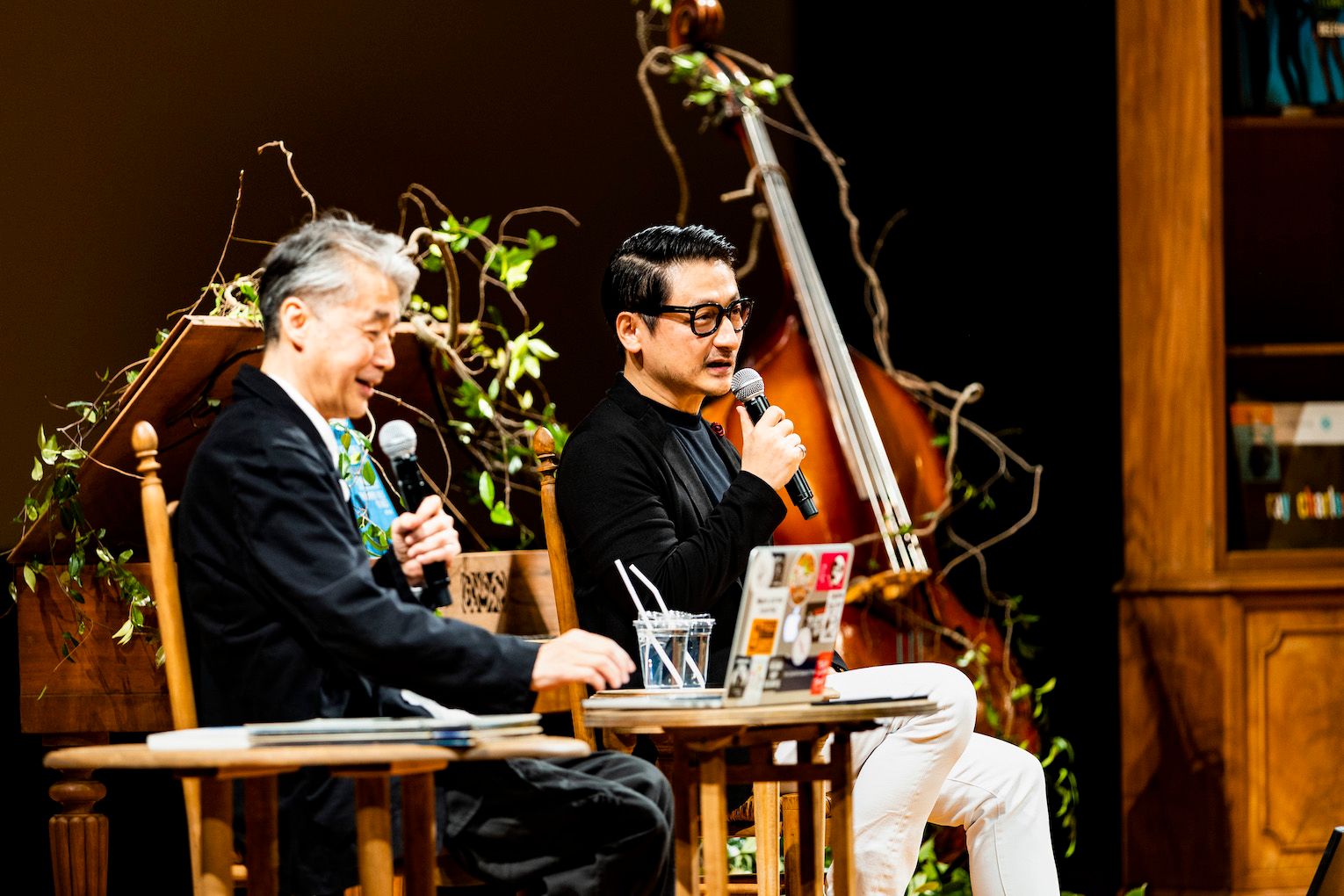
深町氏
そうなってほしいですね。
もう話は全然尽きないんですけど、そろそろまとめに入っていかなきゃいけないんですが、 せっかく今日お忙しい中、これだけの三人にお集まりにいただいたんで、せっかくなんでね。それぞれの今、何やってるんですか話もね、ちょっとしたいなと思ってるんですよ。どうでしょうか。じゃあ松尾さんから話をさせていただきたいんですが、松尾さん実は今も福岡にご縁がめちゃくちゃあって、RKBラジオでも番組をされていらっしゃいますよね。『田畑竜介グローアップ』という番組。これ何曜日でしたっけ。
松尾氏 月曜日です。明日の朝です。毎週月曜、zoomを使って東京の仕事場から生出演しているんです。コロナ以降にできるようになったことのひとつですね。
深町氏 そういうのも便利になりましたよね。
松尾氏 1年間やらせてもらって、福岡に住んでいた時のいろんなことを思い出しています。正直、忘れていることも多かったですし。知識と勘を取り戻すような、そんな1年間でしたね。月曜はそれとは別にNHK-FMで『松尾潔のメロウな夜』という番組もやっています。
深町氏 光石さんの好きそうないかがわしい系のね(笑)。セクシーでメロウな音楽が流れてますよね。
松尾氏 いかがわしい音楽(笑)。もう13、4年ぐらいになるんですが、今まで一度も生放送をやったことがないんですよ。ずっとNHKで収録してきて、コロナの期間中は自宅のスタジオで録って。自宅で録った音源で全国放送。ラジオってどこからでもできるなっていうのが、実感としてあります。
深町氏 もちろん他にも音楽プロデュースもね。僕、最近松尾さんがおもろいなと思うのは、R&Bのイメージも強かったけど、最近は演歌、天童よしみさんの作詞を手掛けたりとか、横断の仕方が恣意的な意思のようなものを感じるんですけど…。
松尾氏 若い時にはアメリカとかイギリスとかと頻繁に行き来して、R&Bの最新情報を伝える仕事をやってましたから、最先端と言われるものをいかに時差なく伝えるかに腐心していたんです。自分で楽曲をプロデュースするようになってからもそうです。ただ、当時〈和製R&B〉なんて言い方がありましたけど、〈和製=ジェネリック〉みたいな使われ方には、どこか釈然としない気分がありました。この国でしか作れないものは何だろうって。福岡だからできるものは?って問いに近い話ですけど。日本にいるからこそできるR&Bって何かと模索して、さらにいろんな視点が備わってくると、かつては聞き流していたような演歌にも興味が出てきた。民謡と演歌の関係は、ゴスペルとR&Bみたいなものでは、と。以前だったら天童よしみさんのお仕事なんて、そもそもお声がかからなかったと思うし、仮にそういうお声がけがあっても、ちょっと躊躇してたかもしれない。それが今では「天童さんって日本のグラディス・ナイト(米国の大物ソウルシンガー)じゃん」って感じるようになった。きっと面白いことができるんじゃないかと。これこそ、僕流の「変化を受け入れる」ってことかもしれません。あと、細かいカテゴライズには大した意味を感じなくなったかな。最近だと、今年の夏に公開される大作ミュージカルのお仕事を始めたところです。
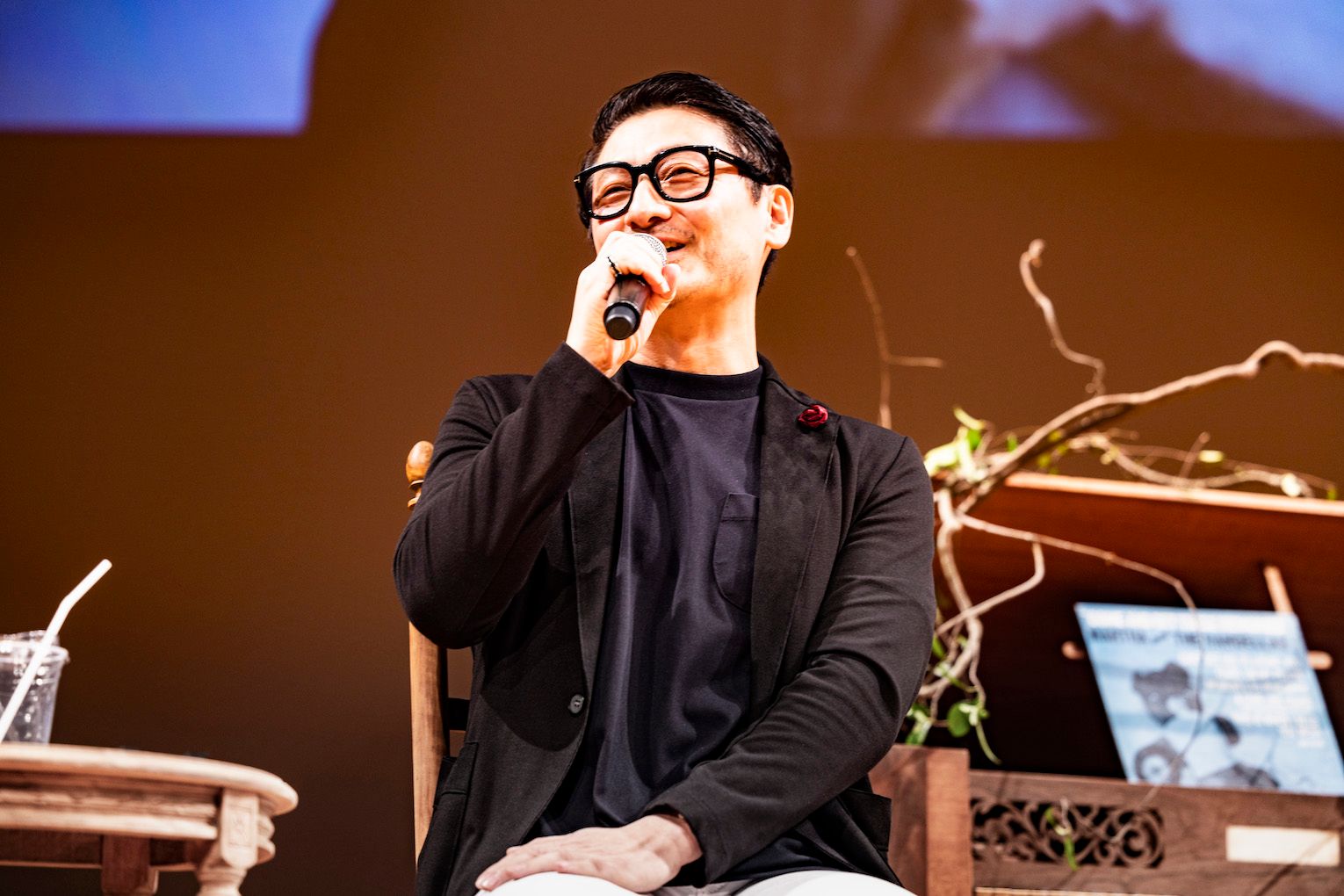
深町氏 まだまだ色々、これからも新しいことが生まれそうですね。
松尾氏 常に新しくありたいですね。
深町氏 さあ続いては光石さんなんですけども、実は非常にタイムリーな話があって、今日の話で何回も色々出てきてるとこともクロスしてくるんですけど、『逃げ切れた夢』という光石さんの主演作品が、6月9日から公開になります。 これがなんと全編北九州ロケで撮影されたと聞いてますし、松重さんも出演されてる。写真が出ましたけど、これどういう場面なんですか。
松尾氏 親戚の集いですか。(場内爆笑)
光石氏 そんなような、昔の同級生の役で松重さんが出て、奥は岡本麗さん。福岡の出身の女優さんですね。
松重氏 監督がね、光石さんのことが好きで、光石さんの話を元にして映画のシナリオを書いて映画化すると…。
深町氏 光石さんありきの作品。
松重氏 ありきですね。だから光石さんありきでいろんなことが始まるんで。今日のあの音楽イベントの話にしても、歌手デビューの話にしても発信されましたんでね。
深町氏 ものすごいキーマン!
松重氏 これはもう映画としても今年完成するわけですから。
深町氏 いや、でもこれね、松重さんもご出演なさっています。
松重氏 お父さんも出てらっしゃいますからね。
深町氏 え、お父さん??
松重氏 光石さんの実のお父様がお出になって。
光石氏 家族総出で八幡に泊まって、八幡のホテルにスタッフ全員泊まって撮影いたしました。
松重氏 僕はそのお父さんと毎年、年賀状のやり取りしてるんです。映画もよろしくお願いしますっていうことも、やり取りさせていただきました。
深町氏
親戚付き合いじゃないですか。ちょっとこれは要チェックですね。
6月9日から福岡でも観られるんじゃないかなと思います。
そして松重豊さんはね。私も最初冒頭でも紹介させていただきましたけど、NHKの大河ドラマ。
松重氏 あと30分で始まりますんで、皆さん帰ってくださいね。 (場内爆笑)
深町氏 そうか、いやいや帰らせんでくださいよ(笑)。
松重氏 それか来週の土曜日に再放送見るということで『どうする家康』というのやってます。
深町氏 これがまた色々話題になってますけどどうですか。ネタバレはできないんでしょうが。
松重氏 どうなるんでしょうね。福岡っていう土壌はどっちかっていうと、秀吉贔屓なんでね。回転饅頭のこと太閤焼きっていう土壌でもあるじゃないですか。他のとこ言わないですからね。今川焼きとか。太閤秀吉もいいですが、今年はどうぞ、家康贔屓になっていただきたいなと思いますけど。
深町氏
終わった後のナレーションまでされてらっしゃいます。
そして新刊『あなたの牛を追いなさい』という枡野俊明さんと共著。
松重氏
実は福岡っていうのは、江戸時代の有名な仙厓義梵という禅僧が、寺の名前は聖福寺だったかな…。ロックンロールなんですよ、禅の教えっていうのは。その仙厓さんの書いた書というのも「〇△☐」って書いてある。そういうロックンロールな何でもありだろみたいなこと教えてくれるのが禅っていう哲学だったりするんですよね。
アップル社のスティーブ・ジョブズっていう人もやっぱり低迷期は禅のお坊さんをブレインにして、ずっと色んな知恵を拝借したりして、いわゆる今でもアップル製品って何の飾り気も無いし、何もないところから出てくるじゃないですか。そういう何にも無いけども、いろんなものが入ってるっていう、そういうものの考え方の哲学っていうのは、 非常にロックだなと思って。それで僕の中でも40代ぐらいから禅っていうものに興味があった。それで枡野俊明先生っていう庭園デザイナーでもある方と一緒にお話をしながら、「十牛図」っていう話を基にして、謎解きをしてるという本なんですけども。
深町氏
それもかなり興味深い。人生で悩んでいるような人にも、非常に何か気付きを与えてくれる一冊かもしれないですね。
ということで、皆さん本当に大活躍の御三方なんですけども、時間がついに終わりの方に向かっていて、そろそろ締めなきゃいけないので、皆さんから一言ずつ今日の感想をいただきたいと思います。 それでは、松重さんからいいでしょうか。
松重氏 あと30分でNHK 始まるんですけども、大丈夫ですか、皆さん。タクシーとか呼んで、早く帰ってくださいね。(場内爆笑)
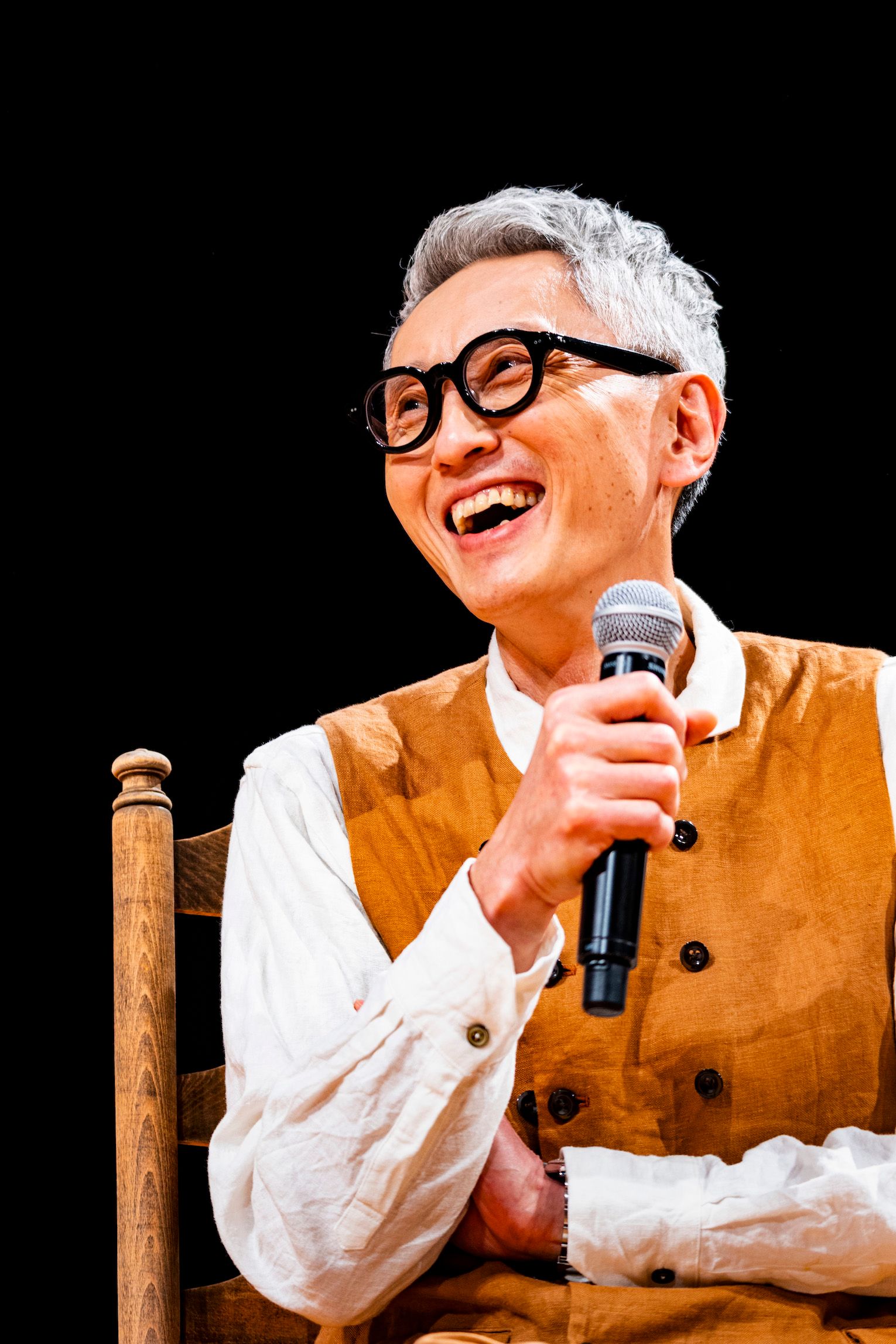
松重氏 今日はね、音楽のライブもありますので、それも楽しみにしていただきたいなと思いますけども、俳優という全然音楽とは違う畑の仕事をしながら、こうやって福岡の音楽イベントに呼ばれるっていうの非常に嬉しいです。 それでいて、こうやって光石さんとか松尾さんとか、そういう方たちと話をしていくと、やっぱり根っこにあるのが福岡で育ったっていう、福岡で育ったからこそ今、自由に羽ばたけてるんだっていうのは僕にとっても、どこか勲章みたいなところがあって、 どんどん街は変わっても、やっぱりそこに育ってくる人たちは変わらず東京に出たり、世界に羽ばたいたりっていうことがあるんで、そういう人たちを見守り続けていただきたいなと、この場所で思いますし、そういう人を目指して頑張る若者も当然いるでしょうし、 そんな人にとってもお互い刺激を与えつつ、ずっとロックし続けようぜ!っていう感じで、僕の締めの言葉とさせていただきます。どうもありがとうございました。
深町氏
まさに「キープ・ア・ロッキン」というメッセージをいただきました。
続いて光石研さん、お願いします。
光石氏
旧友の松重さんと、去年、一昨年位からお近づきになれた松尾さん、それから実は深町さんとは30年前にお会いして、その時に屋台に連れて行ってていたいただいたご縁もあって、それが今こうやって全部が結びついて、こういうことになったってのは、ものすごく僕にとっては嬉しい、今回はそんな出来事でした。
それはやっぱりさっき松尾さんが言ったように、本当に福岡がつないでくれた、ご縁だと思っております。これからも何かありましたら、やりたいと思いますので、ただ曲は出さんよ(笑)。
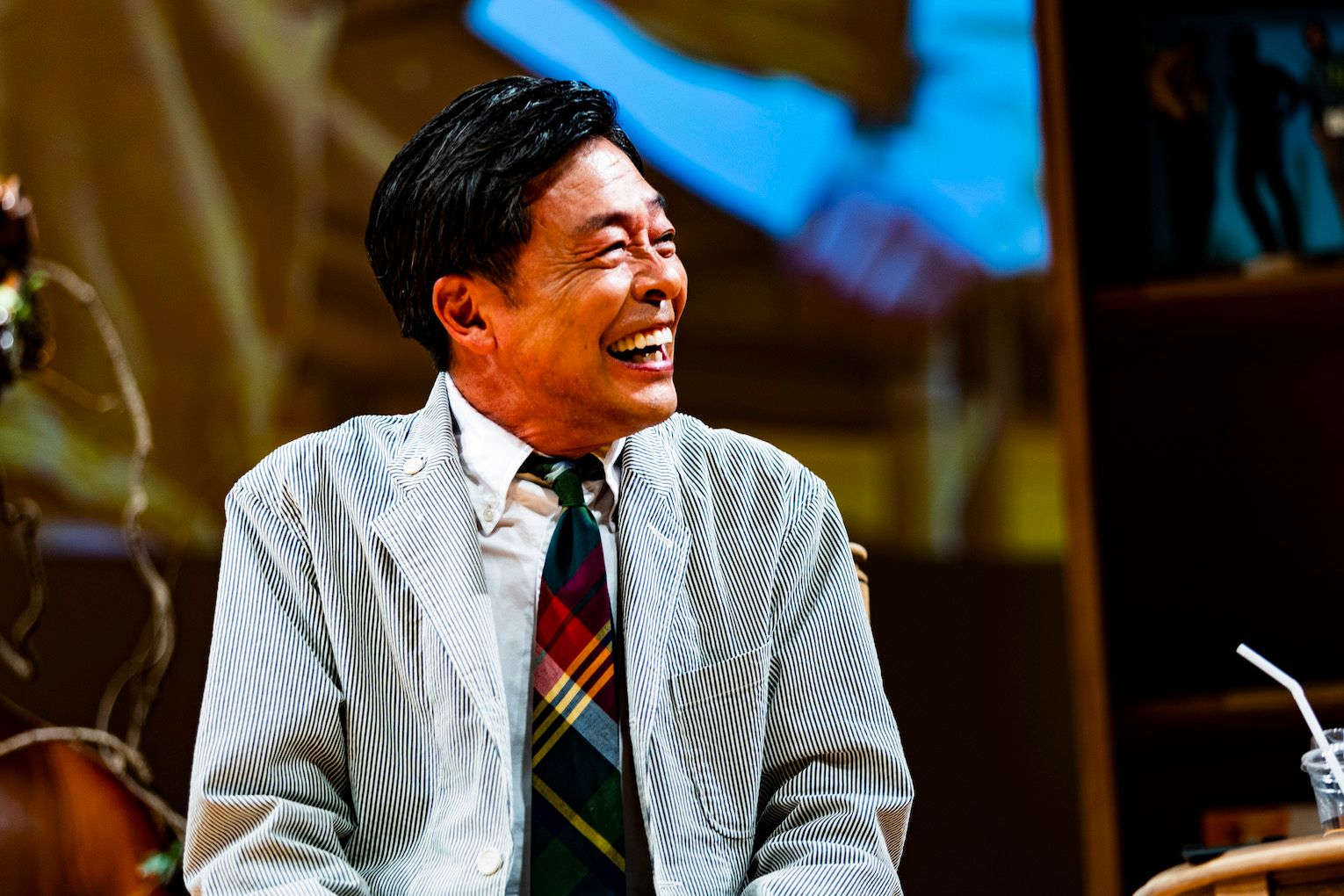
深町氏
それをお願いしようと思ったのに、光石研さんでした。
それでは最後の総括を、松尾潔さん。
松尾氏 総括なんて僭越ですが。2、3年前だったら、この四人でこの会場の皆さんに向き合うなんて、想像もできませんでした。東京の酒場で偶然居合わせた福岡の人たちが「あ、あんたも福岡ね」みたいに盛り上がることがよくあります。あの大げさな地元礼賛は、福岡以外の方がたにはどう思われているのか(笑)。でも今日ここに来てみて、 バックグラウンドや趣味を共有しているからできることってあるんだなと痛感しました。福岡育ちに加え、音楽であるとか映画であるとか、何かそういうものがあれば初対面でもすごく近く感じますよね。松重さんだけは初めてお会いしたんですけど、何回も話題に出てきた青山真治さんの映画の音楽は僕も作ったことあるし、もちろん一方的に存じ上げていました。ほんと、今日はあったかい気持ちになりましたよ。最後に声を大にして言いたいのは、この街に最も必要なのは、僕でもなくて、名優お二人でもなくて、深町さんのような存在なんです。深町さんがあと三、四人いれば、福岡音楽都市計画は綺麗な絵が描けると思います。もちろん深町さんは一朝一夕にできたものじゃないってのもよくわかりますが(笑)。音楽とその周辺も豊かになる街であってほしいと切に願いながら、今日はお話しさせていただきました。
深町氏 ありがとうございます。大変身に余るお言葉ですが、どんどん若い世代も育ってきてますから、私だけじゃないので、これからも福岡は頑張っていきたいのですが、私からも最後に三人にお願いしたいのが、これをきっかけにぜひ、この音楽都市・福岡のアンバサダーとして引き続き見守っていただきたいと思います。皆さん、お願いしたいですよね。(場内大拍手)ということで、ここでもう勝手に決めましたけど、音楽都市・福岡のアンバサダー松尾潔さんそして光石研さん、 松重豊さんでした。今日はありがとうございました。
OTOJIRO presents FUKUOKA MUSIC SUMMIT 2023年3月19日(日)@福岡国際会議場
TALK SESSION 「街と音楽の記憶」
ゲスト:松尾潔氏(音楽プロデューサー)、光石研氏(俳優)、松重豊氏(俳優)
モデレーター:深町健二郎氏(音楽プロデューサー/福岡音楽都市協議会理事)
ステージ装飾:Krank
撮影:勝村写真事務所(勝村祐紀、作本奈寧子)